This article includes affiliate links. We may earn a commission on qualifying purchases, at no additional cost to you.
When you’re adding task lighting to your desk, one of the first decisions you’ll face is whether to go with a clip-on lamp or a traditional freestanding model. Both solve the same basic problem—getting focused light where you need it—but they differ significantly in footprint, flexibility, and ideal use cases. Here’s how to decide which style fits your workspace.
Space Requirements and Desk Real Estate
Freestanding lamps need a dedicated spot on your desk surface. Most models occupy a circular or rectangular footprint ranging from 6 to 10 inches, which can be a dealbreaker if you’re working with limited space. If you’ve already filled your desk with monitors, notebooks, and other essentials, that base takes up room you might not have.
Clip-on lamps eliminate the base entirely. They attach directly to your desk edge, shelf, or monitor arm, keeping your work surface clear. This makes them especially useful in compact setups where every square inch counts. The tradeoff: you need a clippable edge. Desks with thick lips, rounded edges, or wall-mounted shelves may not accommodate standard clips.
Adjustability and Light Positioning
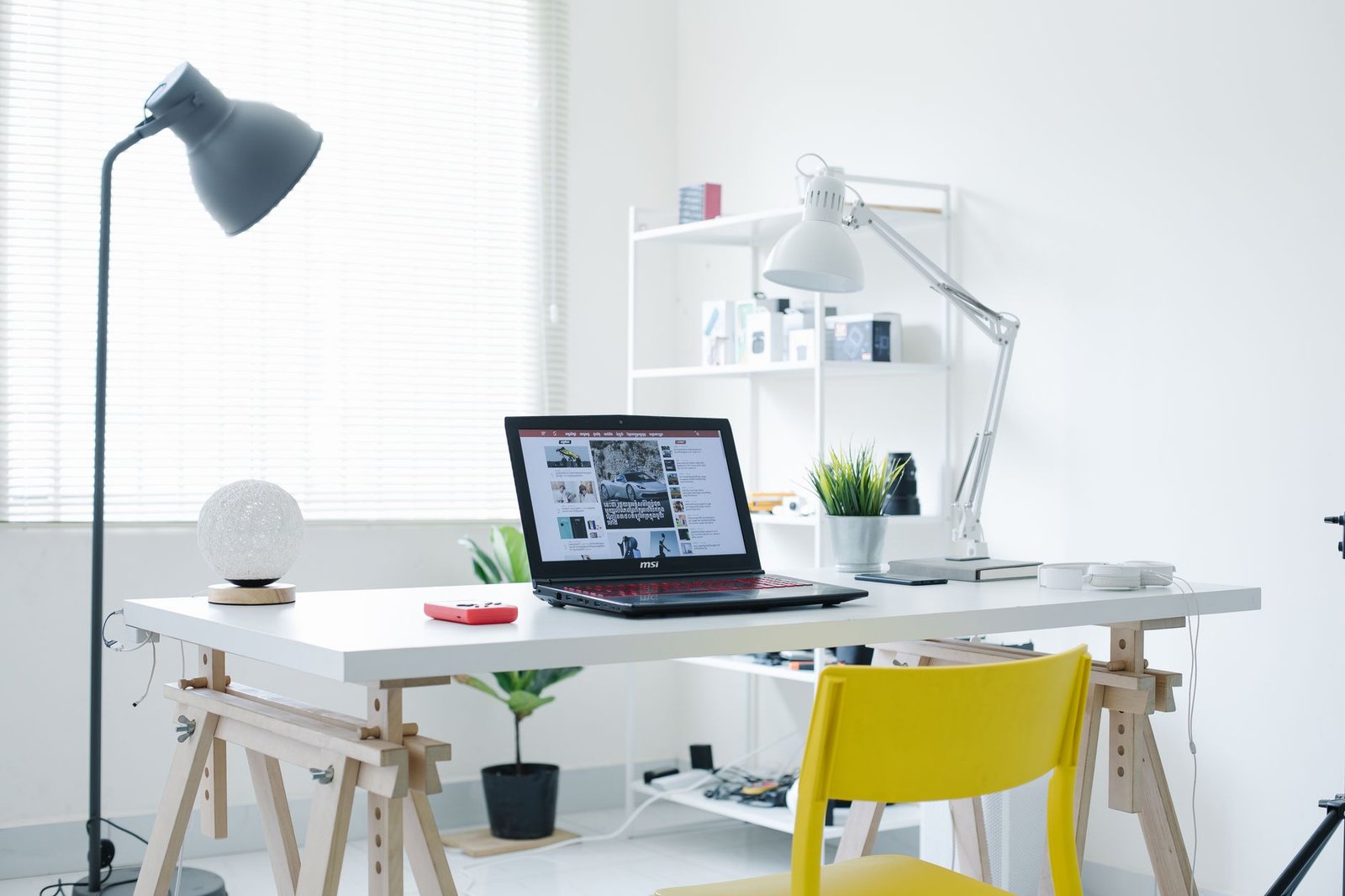
Most freestanding desk lamps offer adjustable arms or necks, letting you tilt and angle the light head. Higher-end models feature multi-joint arms with broad range of motion, while budget options may only tilt at one or two points. Because the base is stationary, your light source can only reach as far as the arm extends—usually within a radius of 12 to 18 inches from the base.
Clip-on lamps typically use flexible gooseneck designs or articulating arms. Since the clamp itself can be repositioned along your desk edge, you gain an extra dimension of placement flexibility. You can clip it behind your monitor for backlighting, on the side for task lighting, or even attach it to a bookshelf for overhead illumination. This adaptability is valuable if you rearrange your workspace frequently or need to light different zones at different times.
Stability and Weight Considerations
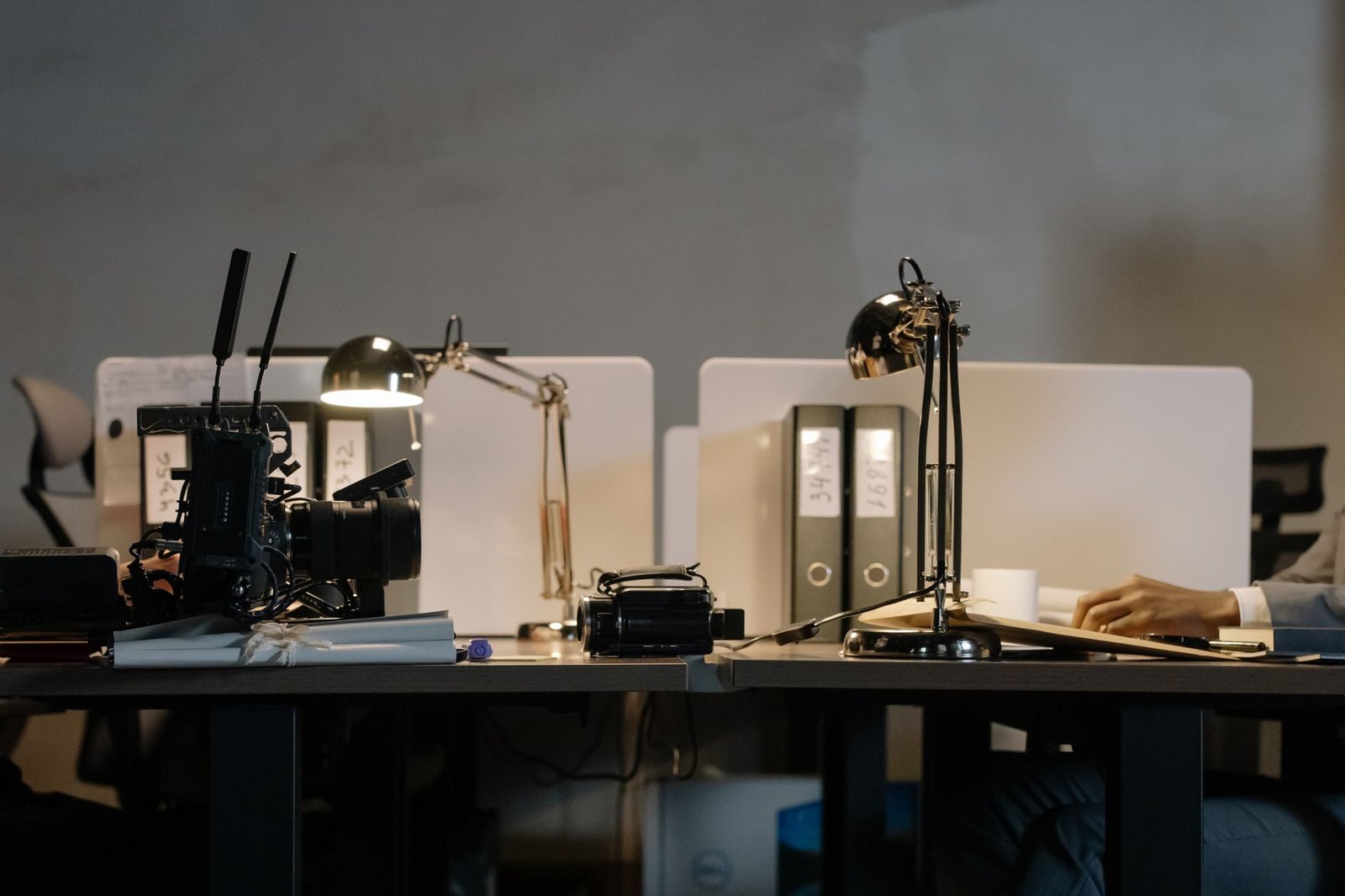
A well-designed freestanding lamp with a heavy base stays put. You won’t accidentally knock it over when reaching for your coffee, and it won’t shift when you adjust the angle. Lighter models can tip if you extend the arm too far, but weighted bases generally prevent this.
Clip-on lamps depend entirely on clamp strength and desk thickness. A weak clamp or thin desk edge can cause the lamp to sag, slide, or topple under the weight of the light head—especially if you’re adjusting it frequently. Based on customer feedback, lamps with padded metal clamps and adjustable tension screws perform best. Avoid plastic clips for anything heavier than a small LED head.
Power and Features
Both styles are available with similar feature sets: adjustable brightness, color temperature controls, USB charging ports, and timers. Freestanding models more commonly include warm and cool lighting modes built into higher-end designs, along with touch controls and memory settings.
Clip-on lamps tend to skew simpler and more budget-friendly, though rechargeable LED options are increasingly common. If you want a lamp that doubles as a device charger or integrates with smart home systems, freestanding models offer more variety. For straightforward task lighting without the extras, either style works fine.
Which One Should You Choose?
Go with a clip-on lamp if you’re tight on desk space, need to reposition your light source regularly, or want to keep your work surface completely clear. They’re ideal for small desks, monitor-mounted setups, and renters who rearrange frequently.
Choose a freestanding lamp if you have room for a stable base, prefer a more permanent lighting solution, or want access to advanced features like wireless charging or app control. A quality option like a rechargeable LED desk lamp (affiliate link) gives you flexibility to move it around without hunting for an outlet, while still offering the stability of a freestanding design.
Neither style is objectively better—it’s about matching the form factor to your desk layout, workflow, and how often you change things up.
Leave a Reply