This article includes affiliate links. We may earn a commission on qualifying purchases, at no additional cost to you.
When you’re shopping for a desk lamp with an adjustable arm, the specifications will list an arm length or maximum reach—but those numbers don’t always translate clearly to how the lamp will work on your desk. A lamp with a 32-inch arm sounds generous until you realize half of that measurement is vertical height, not horizontal coverage. Understanding what arm length you actually need depends on your desk depth, your work zone, and whether you want the lamp to move or stay put.
What Arm Length Actually Measures
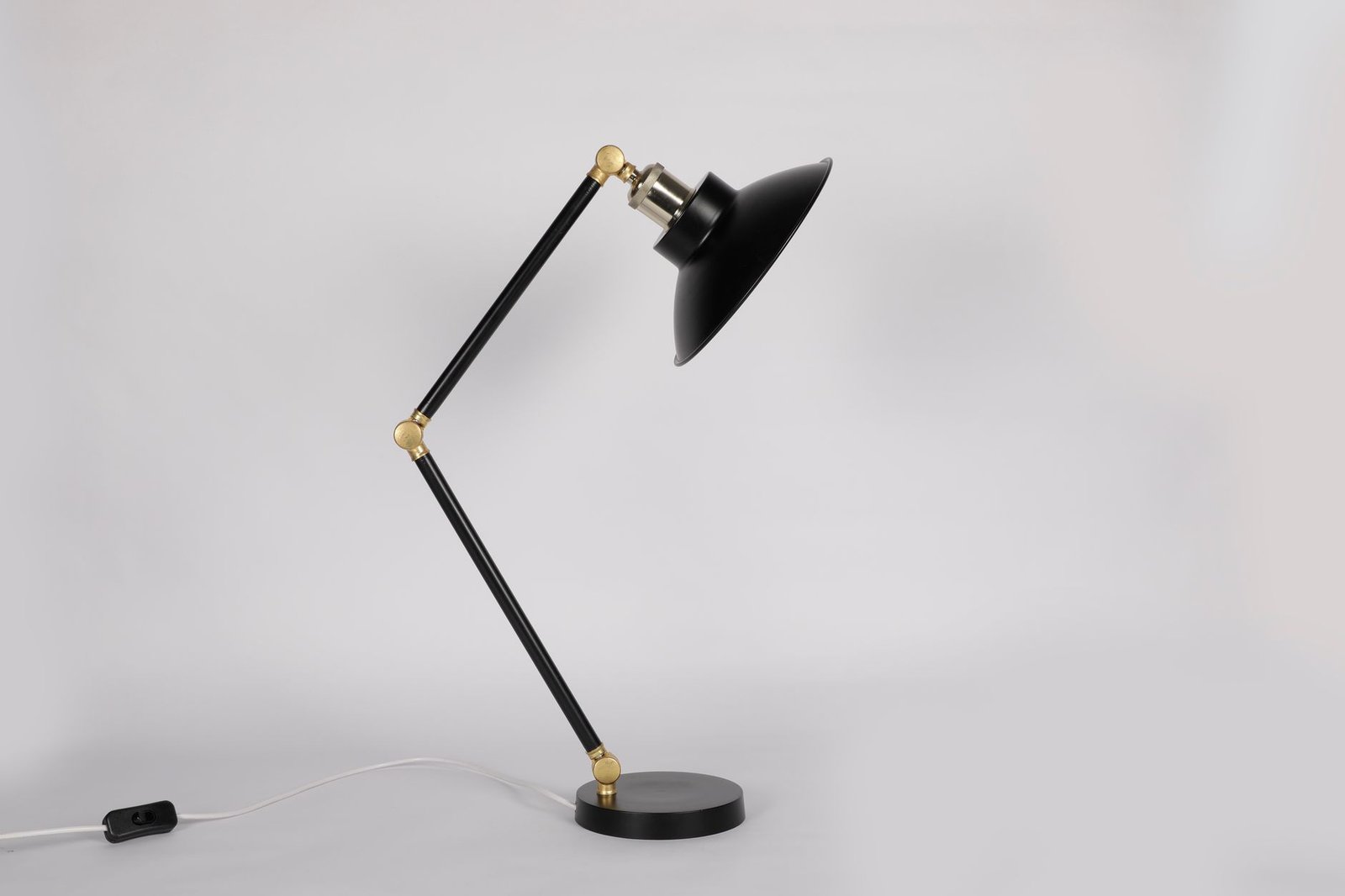
Most desk lamp arm measurements refer to the total extended length from the base pivot point to the lamp head. A 30-inch arm doesn’t mean 30 inches of horizontal reach—it’s the combined length of all arm segments. If the lamp has two sections (common in swing-arm designs), each might be 15 inches, but when angled, the actual reach over your desk will be shorter. Based on published specifications and customer feedback, lamps marketed with a 24-inch arm typically deliver 16–20 inches of usable horizontal reach, depending on how you position the joints.

Matching Arm Length to Desk Depth
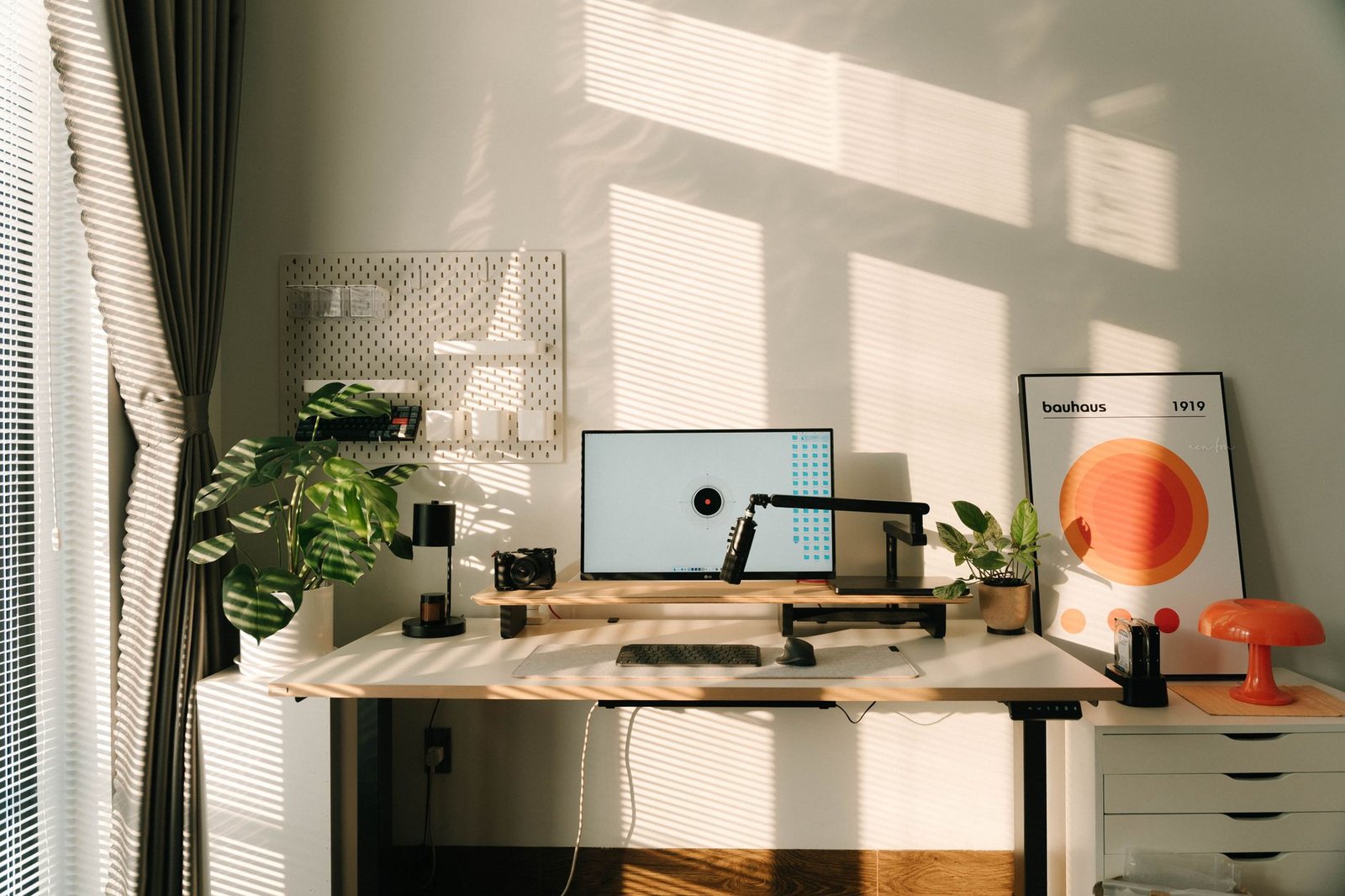
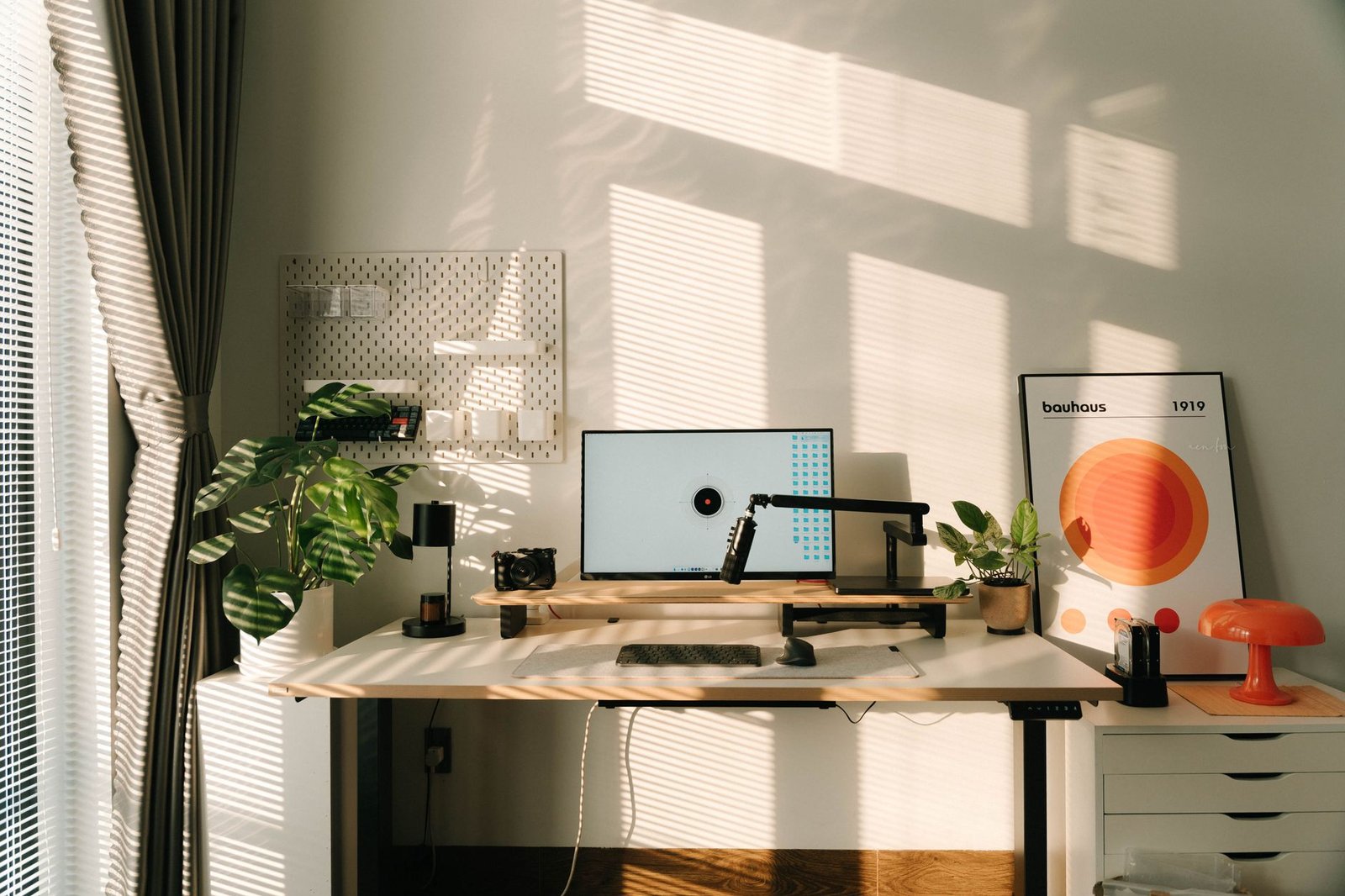
Standard home-office desks range from 24 to 30 inches deep. If your lamp sits at the back edge and you work near the front, you need enough reach to bring light forward without the arm extending to its absolute limit, which can look awkward and feel unstable. For a 24-inch-deep desk, a lamp with 18–22 inches of combined arm length usually works well when mounted at the rear. For deeper desks or corner setups, look for 30+ inch arms. If your lamp sits on a side corner and needs to cover the center workspace, longer reach becomes critical.
Single-Arm vs Multi-Joint Designs
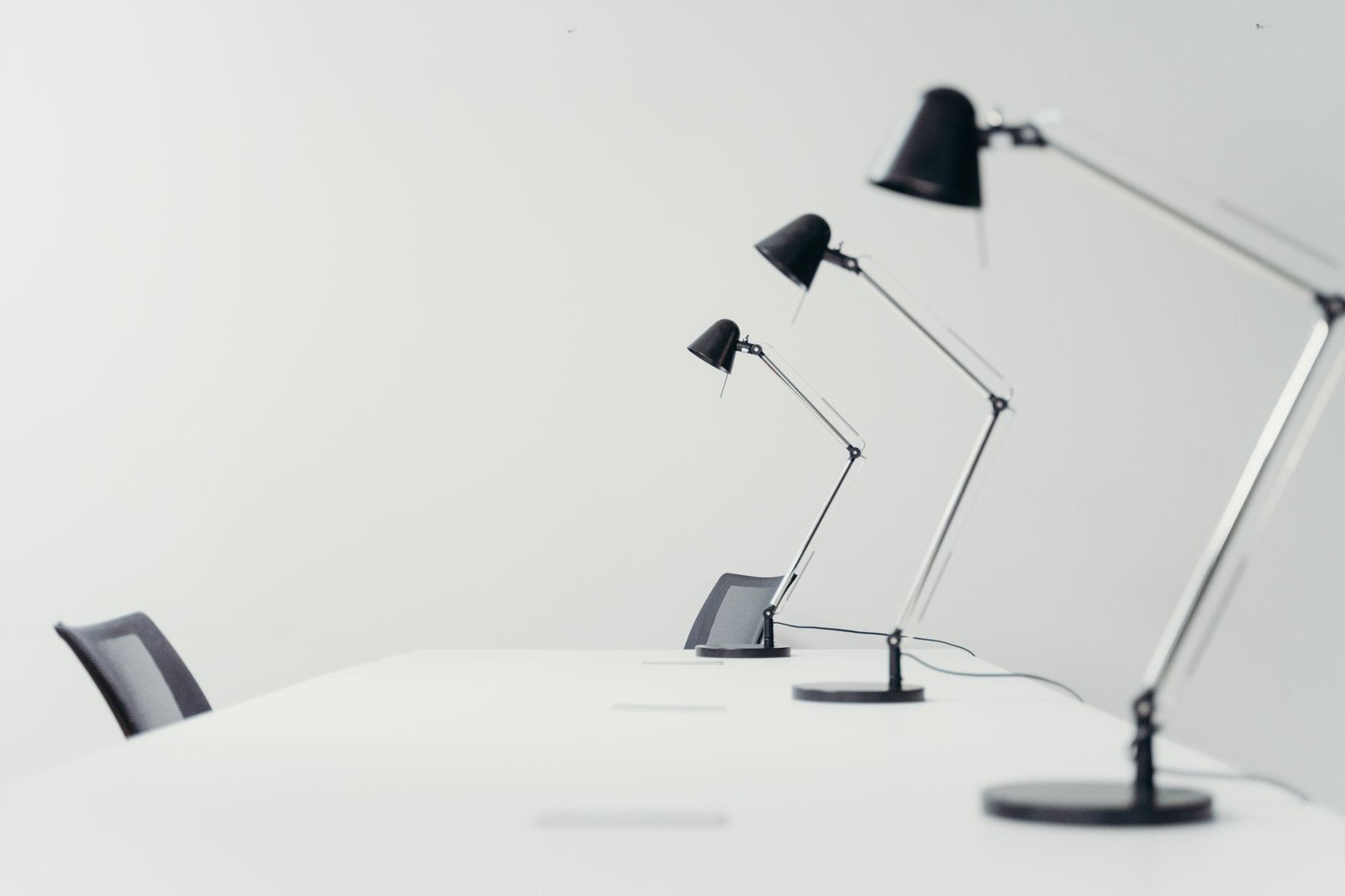
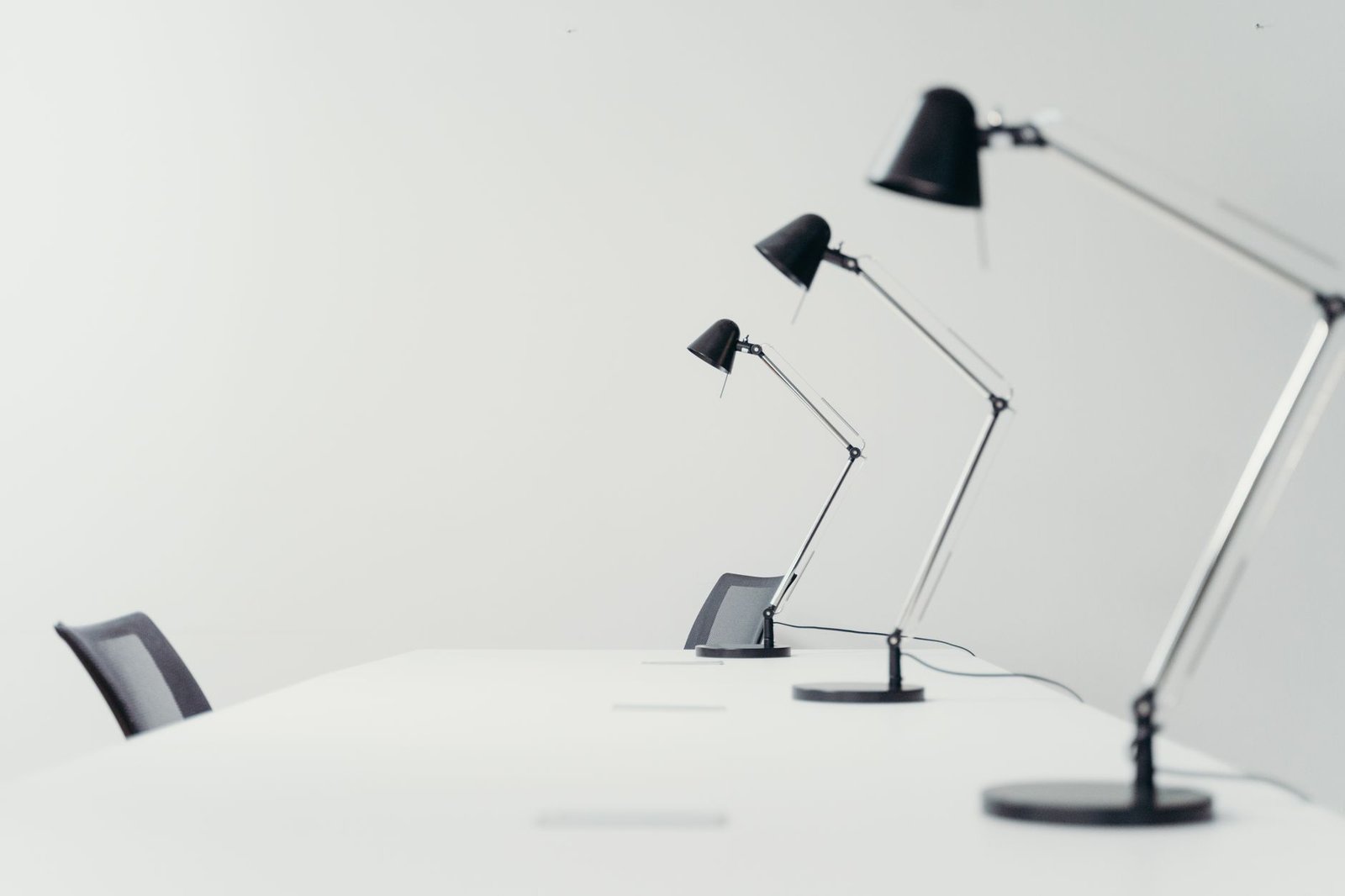
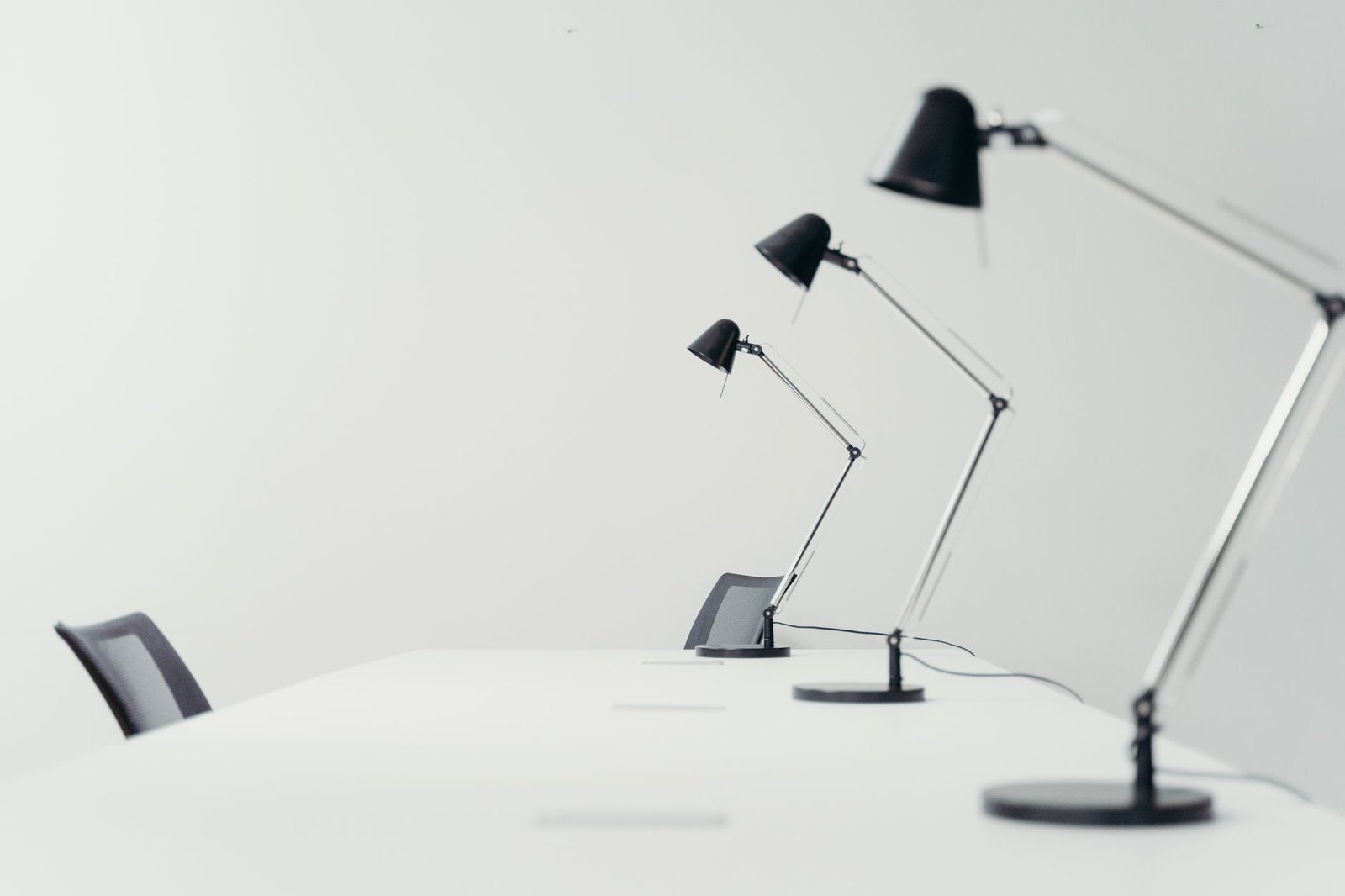
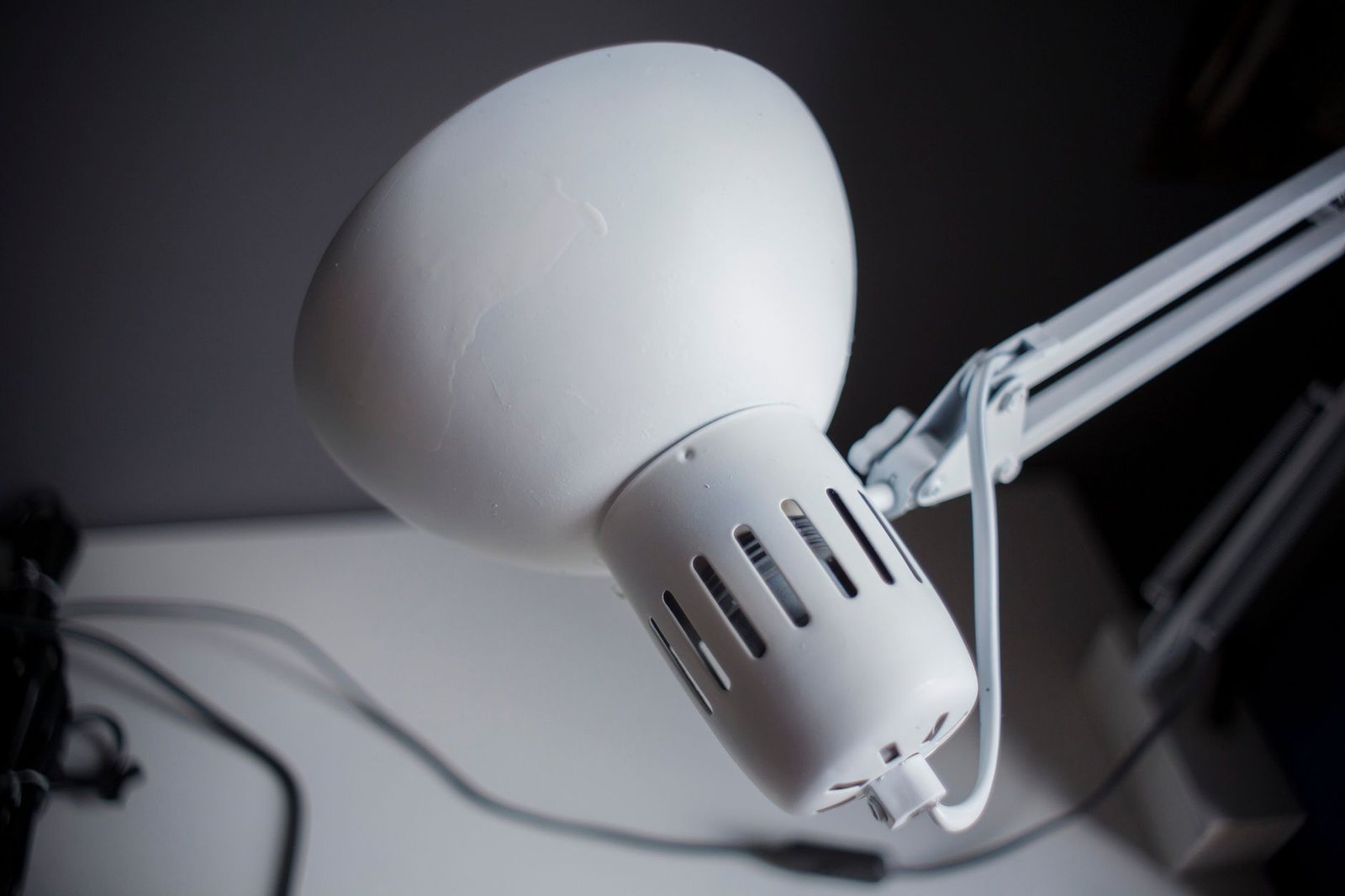
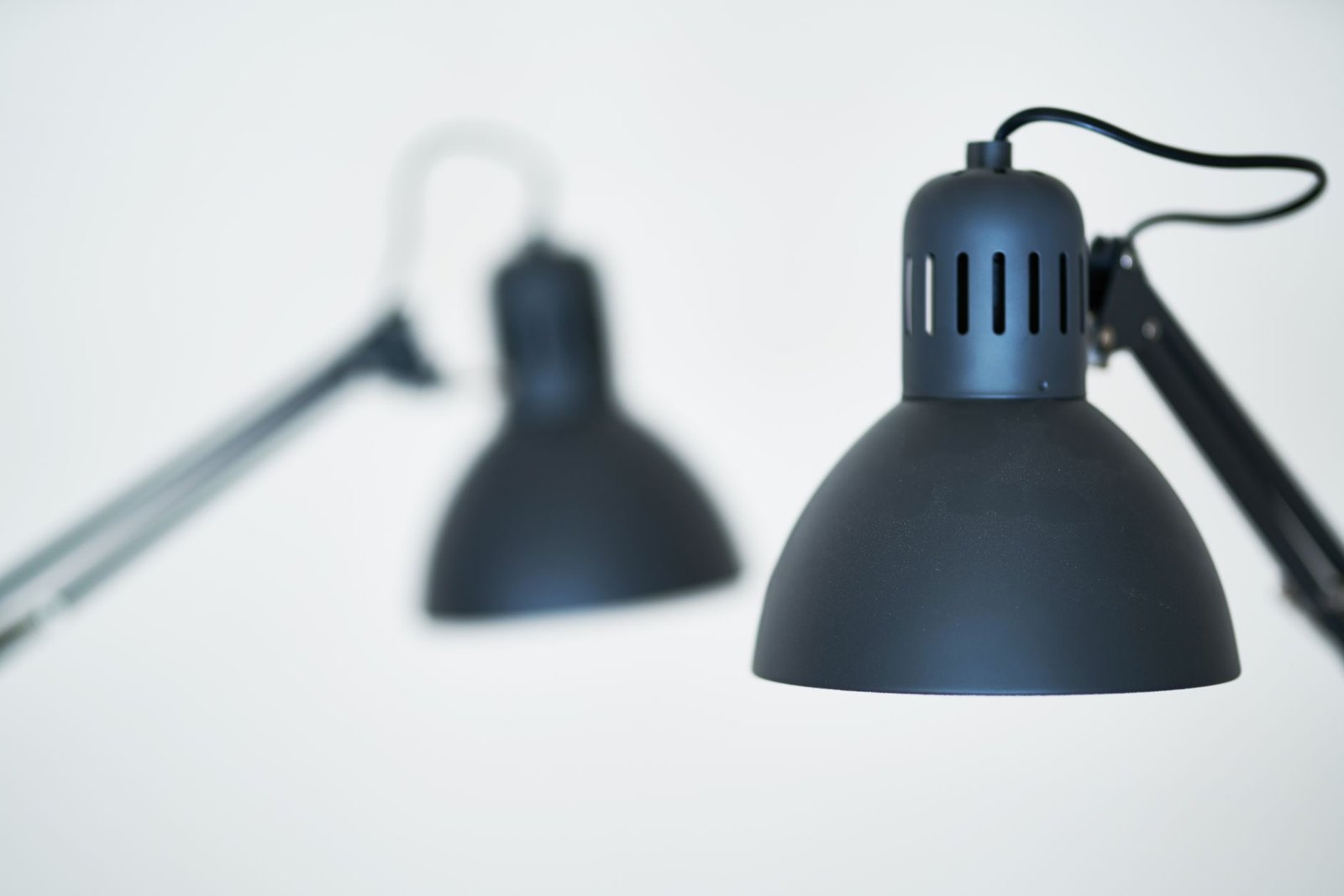
Single-arm lamps (often gooseneck or simple hinged) offer one pivot point and limited range of motion. They’re compact and stable but won’t reposition as flexibly. Multi-joint swing-arm lamps have two or three segments, each with its own pivot, giving you more control over light placement. Based on buyer reviews, multi-joint designs tend to sag or drift over time if the joints aren’t tight enough, especially at full extension. If you plan to frequently reposition your lamp, swing-arm and gooseneck styles each have trade-offs worth considering.
Clamp-Mount vs Base-Mount Reach Differences
Clamp-mount lamps attach to your desk edge, which shifts the effective starting point. A clamp at the back edge gives you the full arm length to work with. A clamp on the side edge lets you swing the lamp across a wider area but may require a longer arm to cover the same desk surface. Base-mount lamps sit on your desk and take up surface space, but they’re easier to move and don’t require edge clearance. If your desk already has cable trays or accessories mounted underneath, a base model avoids installation conflicts.
When Short Arms Are Enough
Not everyone needs maximum reach. If you use your desk lamp for focused task lighting—reading documents, writing notes, or detail work in a small zone—a 15- to 20-inch arm is often sufficient and keeps the lamp compact. Shorter arms also tend to stay tighter and more stable over time. A rechargeable LED desk lamp (affiliate link) with a moderate arm length works well for portable setups or smaller desks where space and simplicity matter more than wide coverage.
How to Measure Before You Buy
Use a tape measure to map your workspace. Measure from where the lamp base or clamp will sit to the farthest point you want to light. Add 3–5 inches of margin so the lamp isn’t fully extended during normal use. If you’re lighting a keyboard and monitor area that’s 20 inches wide, look for at least 24 inches of total arm length. Check product images and customer photos for real-world positioning examples—spec sheets alone don’t always show how the lamp actually bends and reaches.