This article includes affiliate links. We may earn a commission on qualifying purchases, at no additional cost to you.
If your home office already has overhead lighting, you might wonder whether adding a desk lamp is overkill. The short answer: overhead lighting alone rarely provides the focused, adjustable illumination your workspace needs. While ceiling fixtures light an entire room, they often create shadows on your work surface, force you into suboptimal color temperatures, and can’t adapt to different tasks throughout the day. Here’s what you need to know about combining overhead and task lighting effectively.
Why Overhead Lighting Alone Falls Short
Ceiling-mounted fixtures are designed to provide general ambient light, not precision task lighting. When overhead light is your only source, it hits your desk at a fixed angle that typically creates shadows from your head, hands, and monitor. This forces your eyes to constantly adjust between bright and dim zones, accelerating eye fatigue during long work sessions.
Most overhead fixtures also lock you into a single color temperature and brightness level. That might be fine for walking through a room, but it’s rarely ideal for reading documents, reviewing detailed spreadsheets, or video calls where flattering light matters. You’re stuck with whatever the builder or previous owner installed, which may be a warm 2700K bulb better suited for a living room than focused work.
When Overhead Lighting Is Enough (Rare Cases)
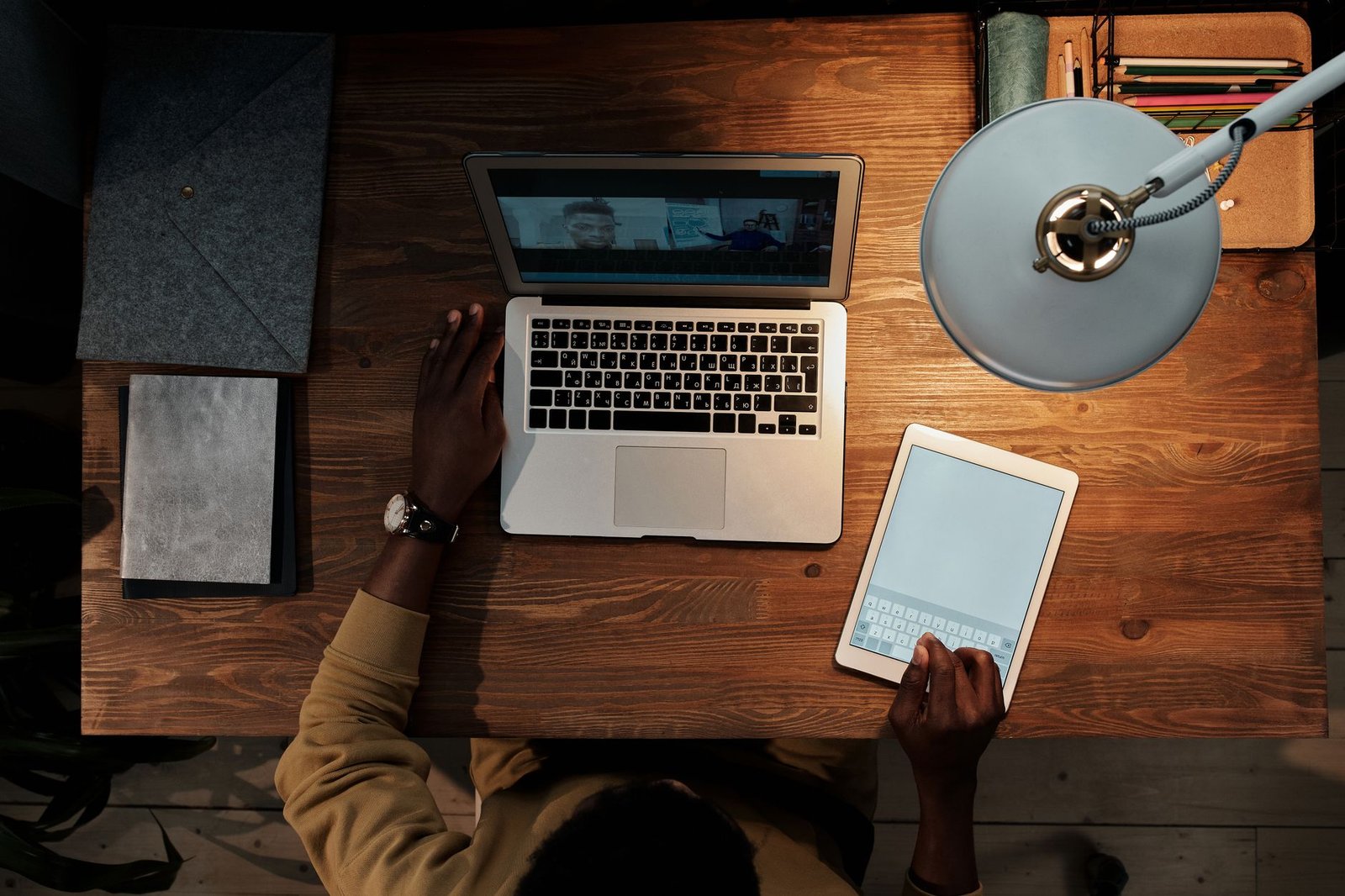
There are limited scenarios where overhead lighting can work without supplemental task lighting. If you work almost entirely on a backlit screen with minimal paper documents, and your overhead fixture is directly above your desk with diffused, glare-free coverage, you might manage without a lamp. Small writing tasks or quick email checks don’t demand the same lighting precision as hours of concentrated work.
Similarly, if your desk sits near a large window with excellent natural light for most of your working hours, overhead lighting might suffice as a supplement during darker periods. But even in these cases, you lose the flexibility to adjust brightness and direction as tasks change throughout the day.
The Benefits of Adding a Desk Lamp
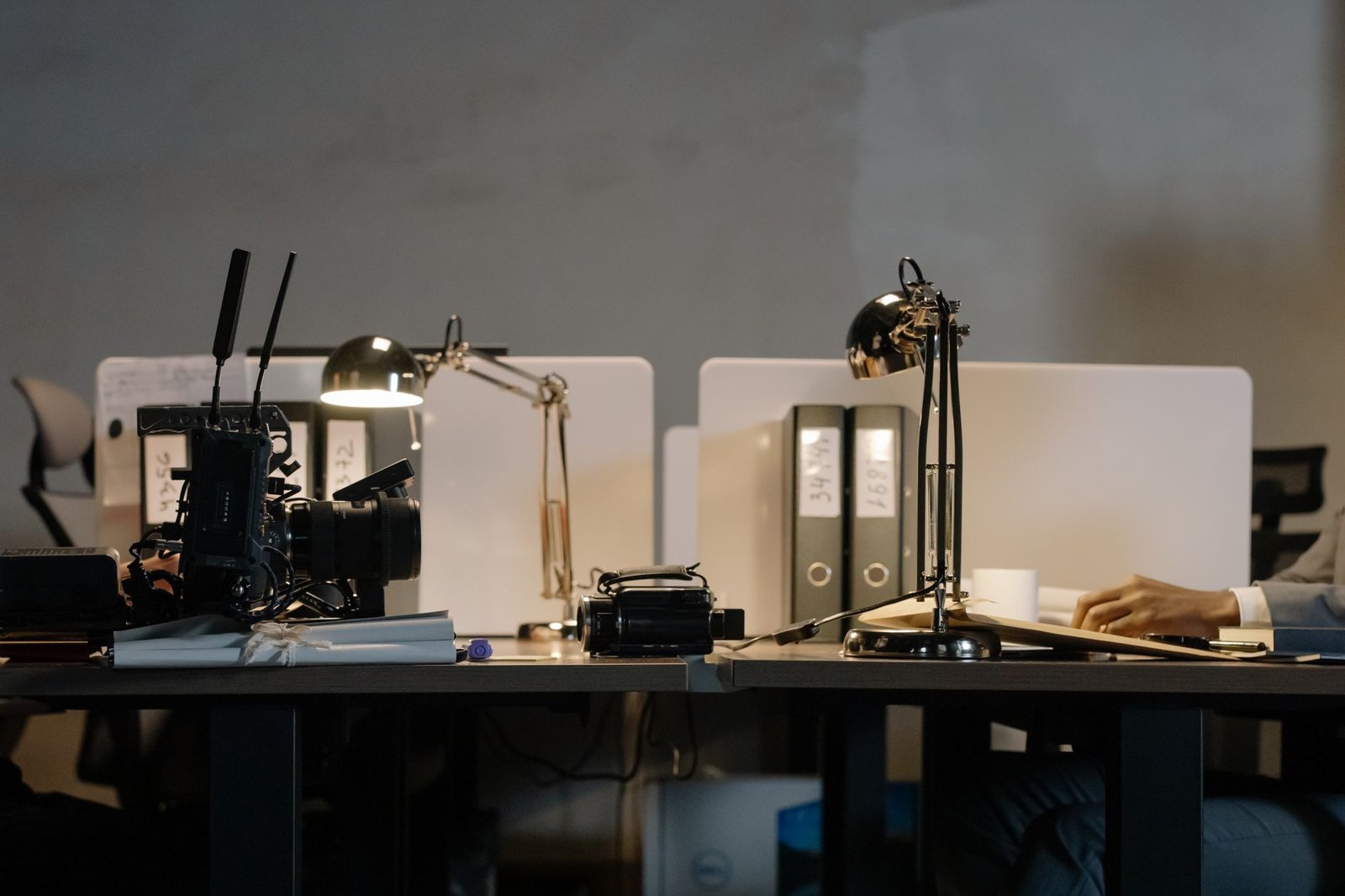
A dedicated desk lamp gives you control that overhead lighting simply can’t match. You can adjust brightness for different tasks—dimmer for screen-heavy work to reduce eye strain, brighter for reading printed materials. You can position light exactly where you need it, eliminating the shadows that overhead fixtures create on your keyboard and documents.
Modern desk lamps also let you switch color temperature to match your work and circadian rhythm. Cooler light in the morning boosts alertness, while warmer tones in the evening reduce blue light exposure before bedtime. If you’ve already optimized how to position your desk lamp to avoid screen glare, you know how much difference proper task lighting makes for monitor work.
A quality rechargeable LED desk lamp with adjustable brightness and color temperature (affiliate link) provides the flexibility overhead lighting lacks, and many models include USB charging ports that double as practical desk accessories.
How to Combine Both Lighting Types
The best home office lighting strategy uses both overhead and task lighting together. Keep your overhead fixture on a dimmer setting to provide gentle ambient light that reduces harsh contrast between your bright desk and the rest of the room. This prevents the cave-like effect of working in a dark room with only a desk lamp, which can strain your eyes over time.
Use your desk lamp as the primary light source for your immediate work area. Position it to the side opposite your dominant hand to minimize shadows when writing, and angle it away from your monitor to prevent reflections. This layered approach gives you the ambient coverage of overhead lighting plus the precision control of task lighting.
Making the Right Choice for Your Setup
Unless your overhead lighting is exceptionally well-positioned and adjustable, a desk lamp is worth adding to your workspace. The investment is minimal compared to the daily comfort and productivity gains. Consider your specific work: if you frequently switch between screen work, reading, and writing, adjustable task lighting becomes even more valuable.
Your lighting needs also connect to your broader desk organization. Poor lighting can make cable management mistakes harder to spot and fix, and insufficient task lighting often leads people to cram more gear onto their desk hunting for better illumination. A single, well-chosen desk lamp solves the problem more elegantly than any amount of overhead fixture tinkering.
Leave a Reply