This article includes affiliate links. We may earn a commission on qualifying purchases, at no additional cost to you.
When you’re planning your home office lighting, you’ll eventually face a fundamental question: should you put a lamp on your desk or place a floor lamp beside it? Both approaches work, but they solve different problems and create different workflows. The right choice depends on your desk size, the tasks you do most often, and how much flexibility you need from your lighting setup.
Desktop Real Estate vs Floor Space
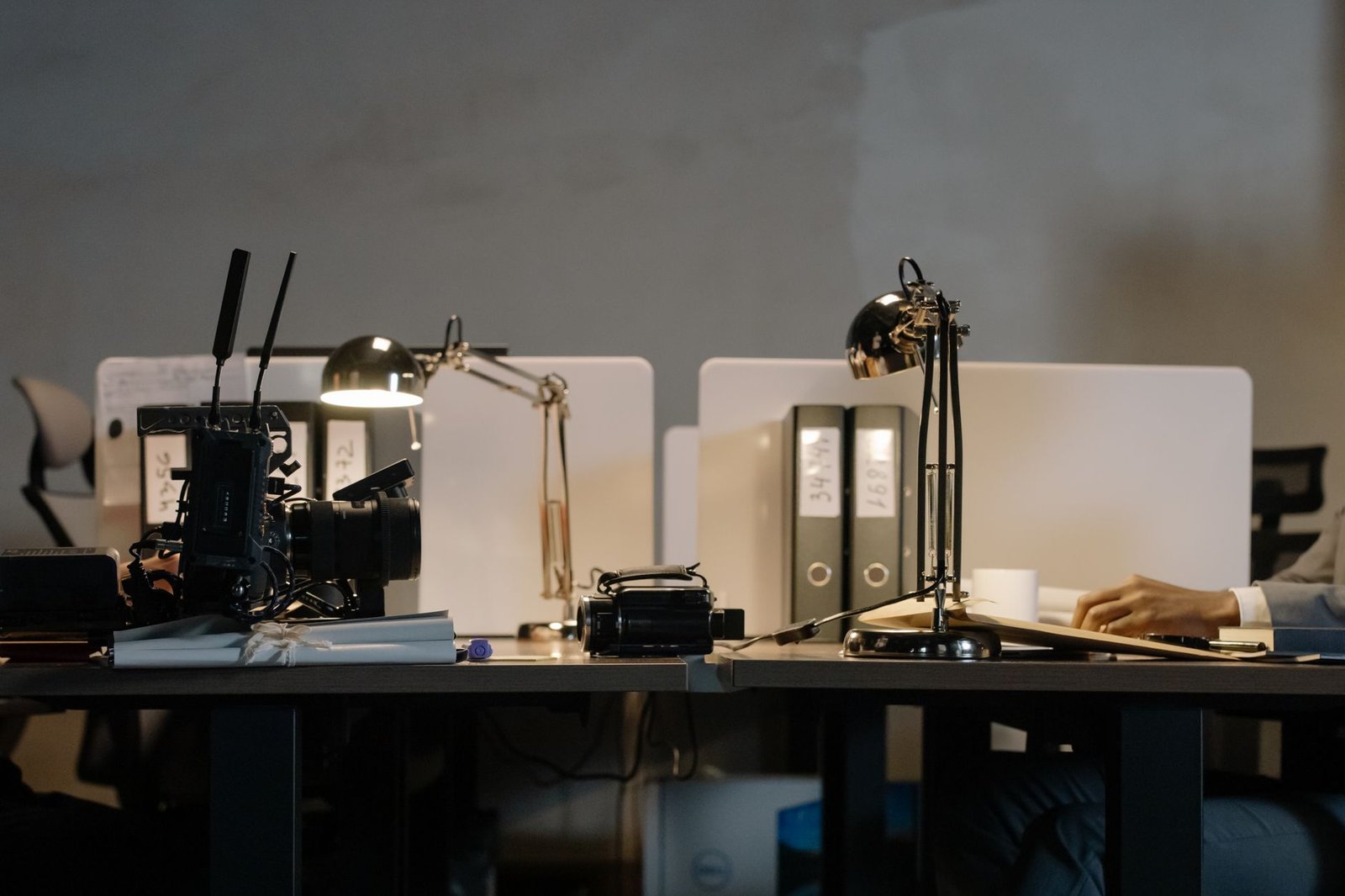
A desk lamp lives on your work surface, which means it claims 6 to 12 inches of prime desk real estate depending on the base style. If you’re working on a small desk or already dealing with monitors, keyboards, notebooks, and coffee mugs, that footprint matters. Clip-on models can save surface space, but they still need a sturdy edge to grip.
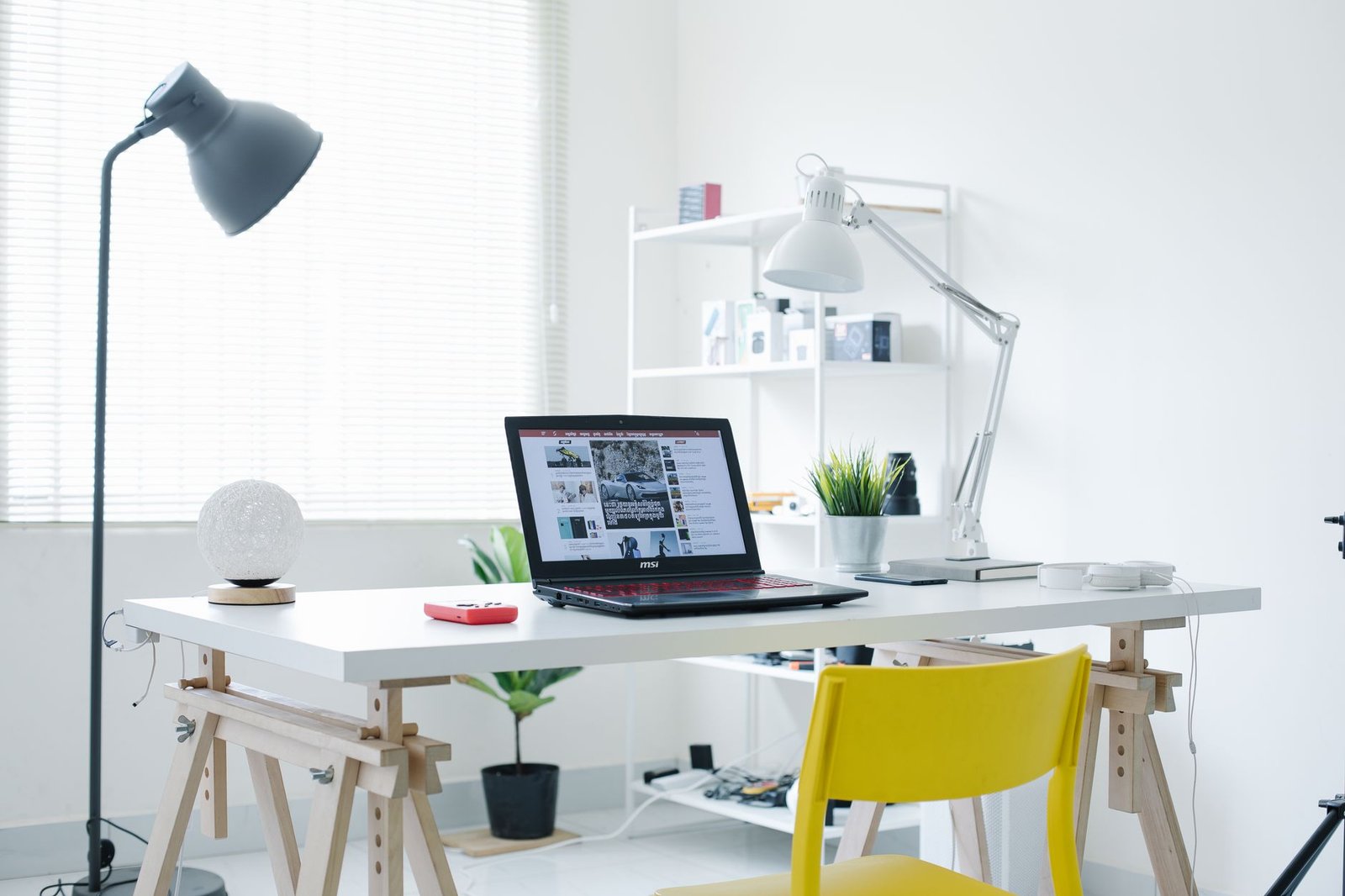
Floor lamps, by contrast, sit beside or behind your desk and free up your entire work surface. The trade-off is that you need available floor space in a spot where the lamp won’t create a trip hazard or block your chair movement. In tight studio apartments or corner desk setups, finding that floor real estate can be just as challenging as clearing desk space.
Task Lighting Precision
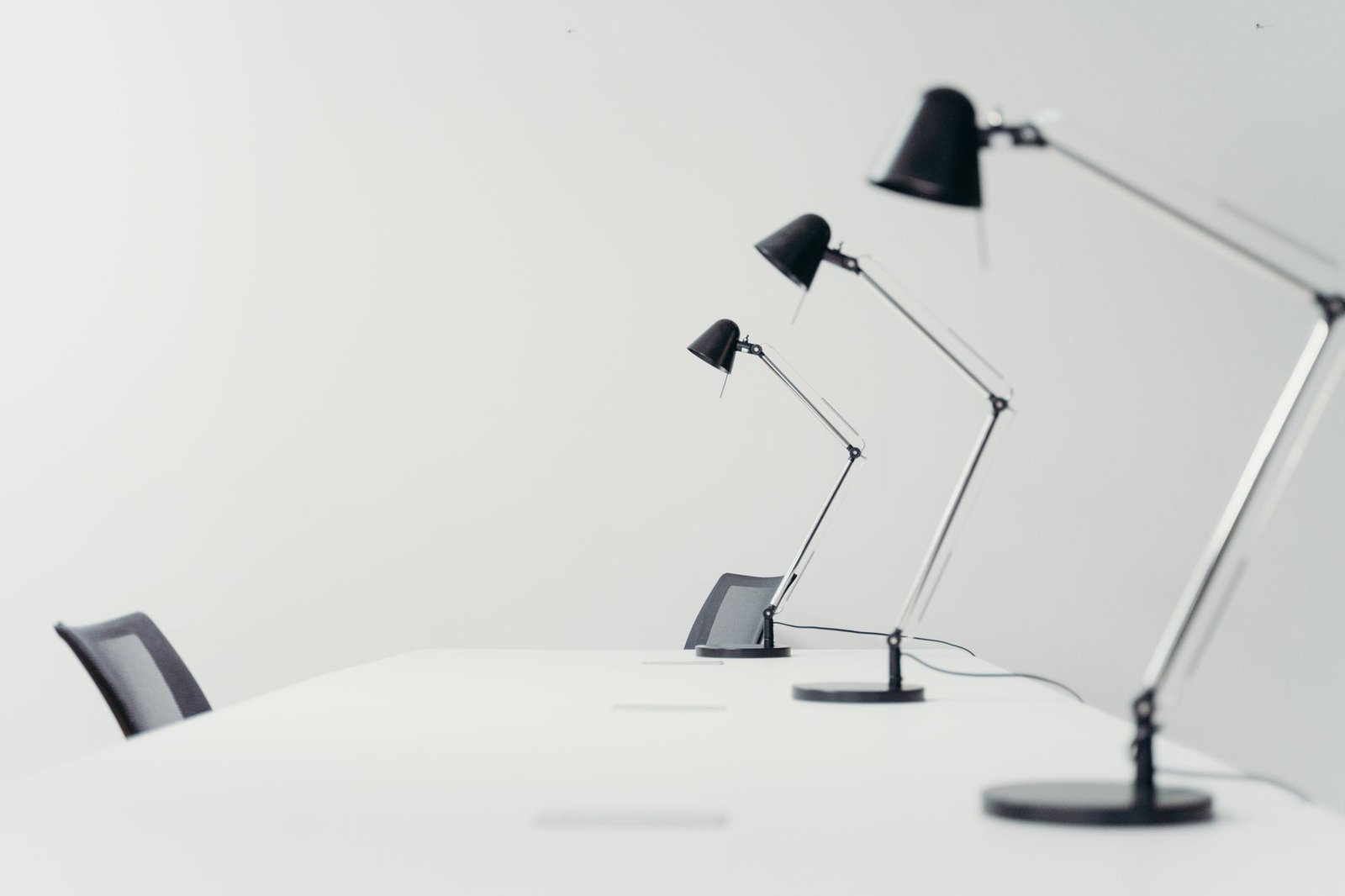
Desk lamps excel at focused task lighting. Because they’re positioned close to your work surface, you can direct light exactly where you need it—whether that’s a notebook, keyboard, or reference documents. Many models offer adjustable arms or heads, and you can reposition them throughout the day without getting up from your chair.
Floor lamps typically provide ambient or area lighting rather than pinpoint task lighting. Even models with adjustable heads are farther from your desk surface, which diffuses the light over a broader area. This can be an advantage if you want even, gentle illumination across your entire workspace, but it’s less effective when you need concentrated light on a specific task. If you’ve already addressed your overall room lighting, a desk lamp might be the better supplemental choice.
Cable Management and Power Access
Desk lamps add another cord to your desktop cable situation. You’ll need either a power outlet within reach or a desktop power strip—and you’ll want to route that cord thoughtfully to avoid desk clutter. A rechargeable LED desk lamp (affiliate link) eliminates the constant cable by charging periodically, which can simplify your setup if you’re already managing multiple cords.
Floor lamps plug into wall outlets, so the cord typically runs along the baseboard or behind furniture. This keeps cables off your desk entirely, though you’ll still need an outlet within a few feet of where the lamp stands. The cord can become a trip hazard if it crosses a walkway, so plan the lamp’s position carefully.
Flexibility and Adjustment
Desk lamps are easy to reposition. If you rearrange your desk layout, move to a new apartment, or simply want the light coming from a different angle, you can shift a desk lamp in seconds. Models with swing-arm or gooseneck designs add even more adjustment within a single position.
Floor lamps are less portable once positioned, especially if they’re tucked behind a desk or wedged into a corner. Moving them means unplugging, relocating the base, and replanning your floor layout. On the other hand, because they’re freestanding, they’re easier to take with you when you move or to relocate to another room if your needs change.
Which One Should You Choose?
Choose a desk lamp if you need precise, adjustable task lighting for reading, writing, or detail work, and you have enough desk space to accommodate the base. It’s the better option for small rooms where floor space is tight but desk surfaces are adequate.
Choose a floor lamp if your desk is already crowded, if you prefer ambient lighting that covers your whole workspace, or if you want to keep cables off your desktop entirely. Floor lamps also work well when paired with a second light source, creating a layered lighting setup that reduces eye strain without taking up desk room.
If you’re still deciding, consider your desk setup priorities when you’re planning or relocating your workspace. In many cases, the best solution is both: a focused desk lamp for task work and a floor lamp for background illumination.
Leave a Reply