
This post contains affiliate links. If you buy through these links, we may earn a commission at no extra cost to you.
Most people choose desk lighting based on brightness alone, but color temperature plays an equally important role in how well you work and how comfortable you feel. Measured in Kelvin (K), color temperature determines whether your light looks warm and amber or cool and blue-white. Picking the wrong temperature can lead to eye strain, difficulty focusing, or an office that just feels off. Here’s how to choose the right one for your setup.
Understanding the Kelvin Scale
Color temperature is measured in Kelvin, with lower numbers producing warmer, yellower light and higher numbers producing cooler, bluer tones. Standard desk lighting typically falls between 2700K and 6500K. Warm white (2700K–3000K) resembles incandescent bulbs and creates a cozy atmosphere. Neutral white (3500K–4500K) mimics natural daylight and works well for most office tasks. Cool white (5000K–6500K) delivers crisp, energizing light that’s common in commercial settings.
Understanding where your lighting falls on this scale helps you match it to your work style and the time of day you’re most productive.
Best Color Temperatures by Task Type
Different work requires different lighting. For detail-oriented tasks like reading contracts, editing photos, or reviewing spreadsheets, cooler temperatures (4500K–6500K) provide sharper contrast and help maintain alertness. Creative work such as sketching, brainstorming, or writing benefits from neutral to warm tones (3000K–4500K), which feel less clinical and reduce mental fatigue during longer sessions.
If you do video calls regularly, aim for 4000K–5000K. This range mimics natural daylight and ensures your skin tone looks accurate on camera without the harsh shadows that cooler bulbs can create. For late-night work, warmer tones (2700K–3500K) are gentler on your eyes and less likely to disrupt your sleep cycle.

Layering Different Temperatures
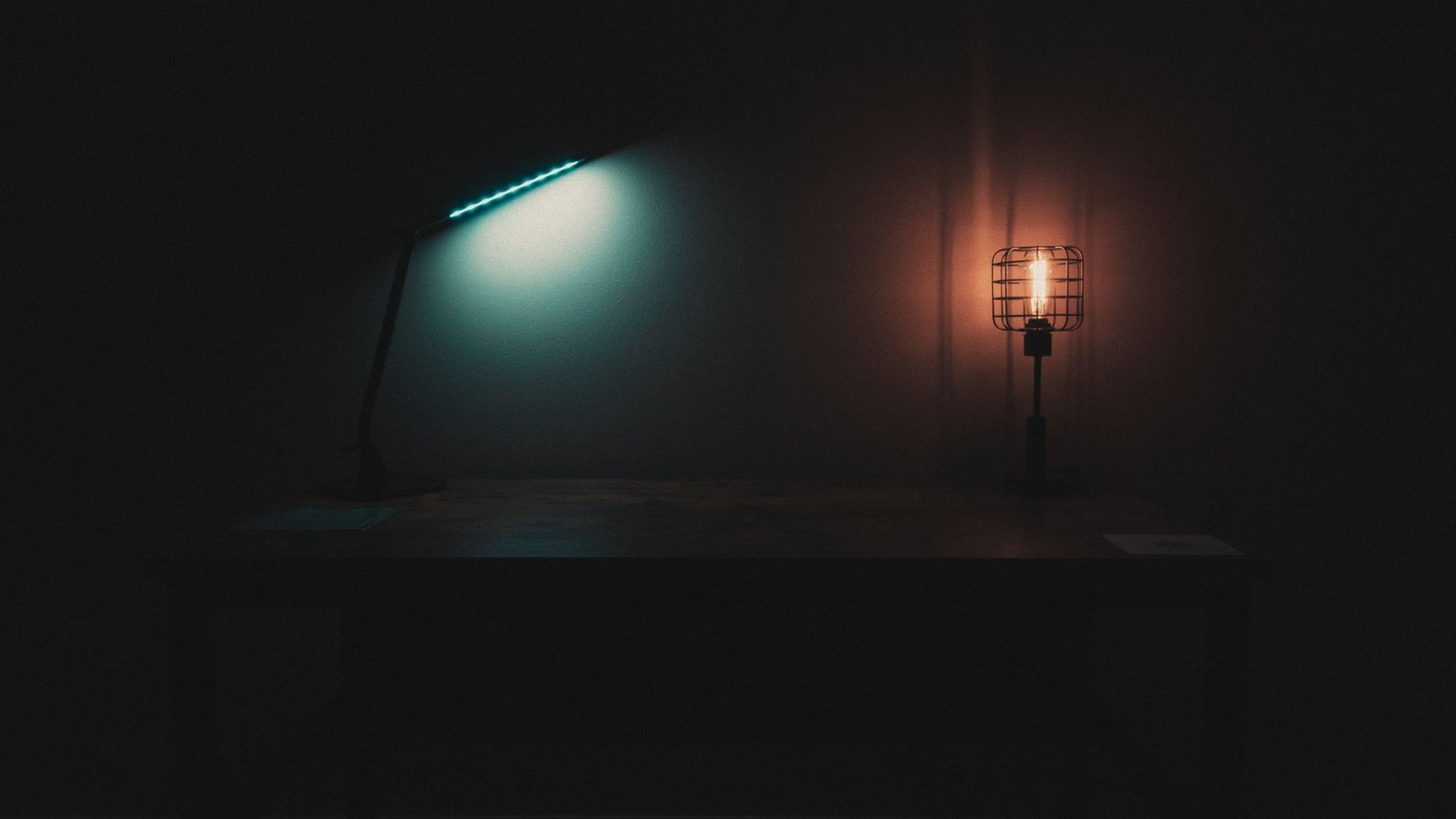
Many productive setups use more than one color temperature at once. Overhead ambient lighting can sit at 3000K–4000K to create a comfortable baseline, while your task light—positioned to avoid glare—might be 5000K for focused work. This approach gives you flexibility without needing to swap bulbs.
If you want even more control, consider a rechargeable LED desk lamp with adjustable color temperature (affiliate link). These models let you shift between warm and cool settings depending on whether you’re winding down or pushing through a deadline. Pairing adjustable lighting with a layered lighting strategy can significantly improve comfort and focus throughout the day.
Avoiding Common Mistakes
One frequent error is using only cool, high-Kelvin lighting all day. While 6000K bulbs feel bright and energizing in the morning, they can cause eye strain and headaches by afternoon. Another pitfall is mismatched temperatures—mixing a 2700K desk lamp with 5500K overhead LEDs creates a jarring contrast that makes it hard to focus.
Also avoid placing very warm bulbs in small, windowless spaces. Without natural light to balance them, 2700K lamps can make a home office feel dim and uninviting, even when they’re technically bright enough.
Adjusting for Natural Light
If your desk sits near a window, your artificial lighting should complement the sunlight you’re already getting. During the day, natural light hovers around 5000K–6500K, so a neutral or cool desk lamp (4000K–5000K) blends seamlessly. In the evening or on overcast days, you can switch to warmer tones to maintain visual consistency as daylight fades.
Dimmer switches or smart bulbs give you the flexibility to adjust intensity and temperature based on how much sun is coming in. This prevents your space from feeling too yellow in the morning or too blue at night, and it keeps your eyes comfortable across different lighting conditions.
Leave a Reply