This post contains affiliate links. If you buy through these links, we may earn a commission at no extra cost to you.
When you’re shopping for a desk lamp, the bulb type isn’t just about energy bills—it affects brightness quality, heat output, lifespan, and how comfortable your eyes feel after eight hours of work. LED, halogen, and incandescent lamps each deliver light differently, and understanding those differences helps you pick the right fixture for your workspace.
LED Desk Lamps: Efficiency and Control
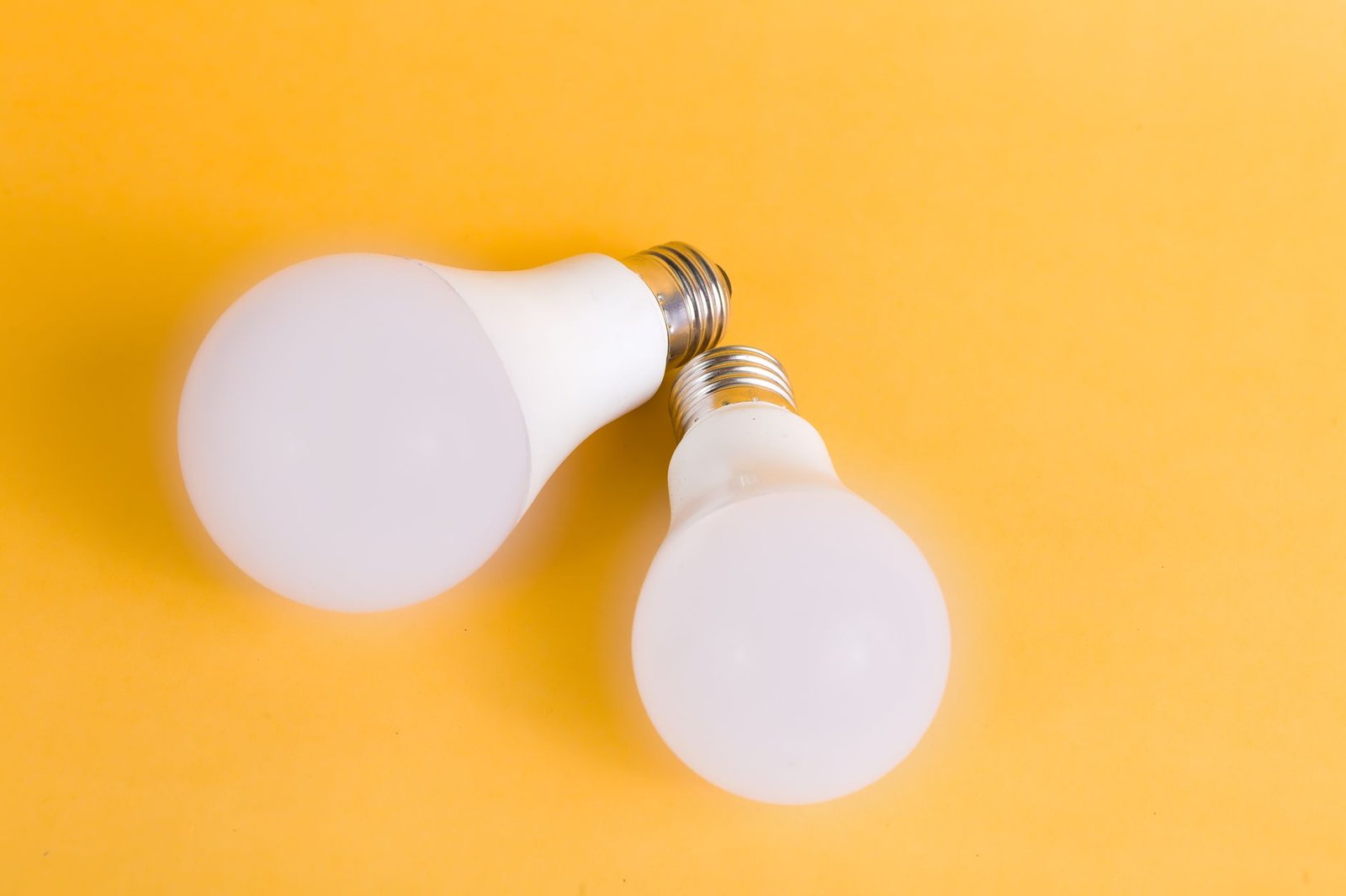
LED lamps dominate the home-office market for good reason. Based on published specs and buyer feedback, they typically consume 80–90% less energy than incandescent bulbs while lasting 25,000–50,000 hours. That translates to years of daily use without a bulb swap.
LEDs also run cool to the touch, which matters in small spaces or summer months. Many LED desk lamps include dimming and color-temperature controls, letting you shift from warm 2700K light in the evening to cool 5000K during focus work. If you want flexibility and low operating cost, an LED desk lamp with adjustable brightness and color temperature (affiliate link) checks both boxes.
The downsides: cheaper LED models sometimes flicker at lower brightness levels, and color rendering can feel harsh if the CRI (color rendering index) is below 80. Stick with lamps rated CRI 85 or higher for accurate color on documents and screens.
Halogen Desk Lamps: Bright, Focused Light
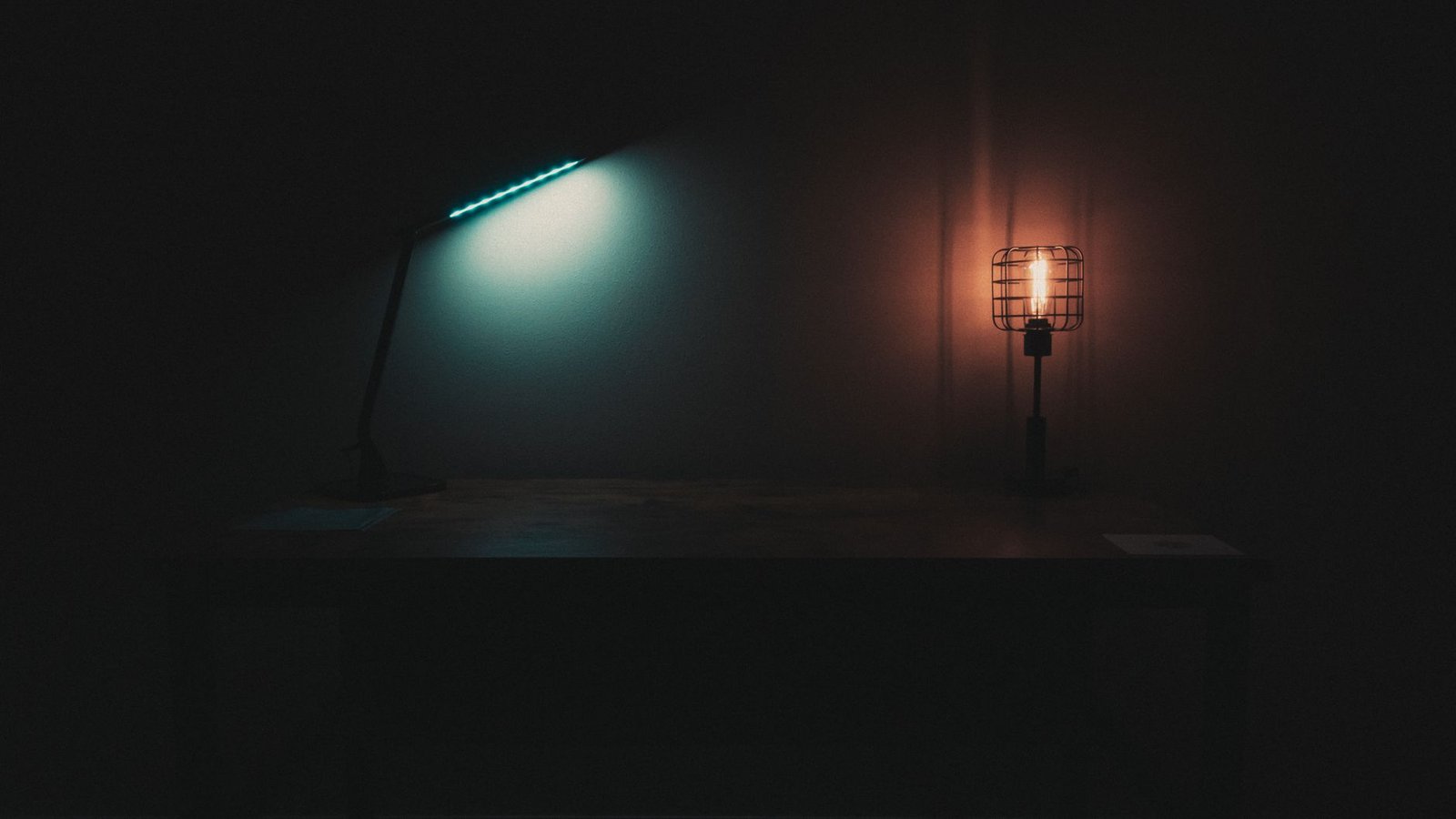
Halogen bulbs produce bright, white light that closely mimics natural daylight. They’re often found in architect-style task lamps where concentrated, high-output illumination is the priority. Based on specs, halogen lamps deliver excellent color rendering (CRI near 100) and instant full brightness with no warm-up time.
The trade-offs are notable. Halogen bulbs generate significant heat—enough to make the lamp head uncomfortable to touch and raise the temperature around your desk. They also consume more electricity than LEDs and burn out faster, typically lasting 2,000–4,000 hours. If you need surgical-level task lighting for detailed drafting or inspection work, halogen makes sense. For general office tasks, the heat and power draw are harder to justify.
Incandescent Desk Lamps: Warm Light, High Cost
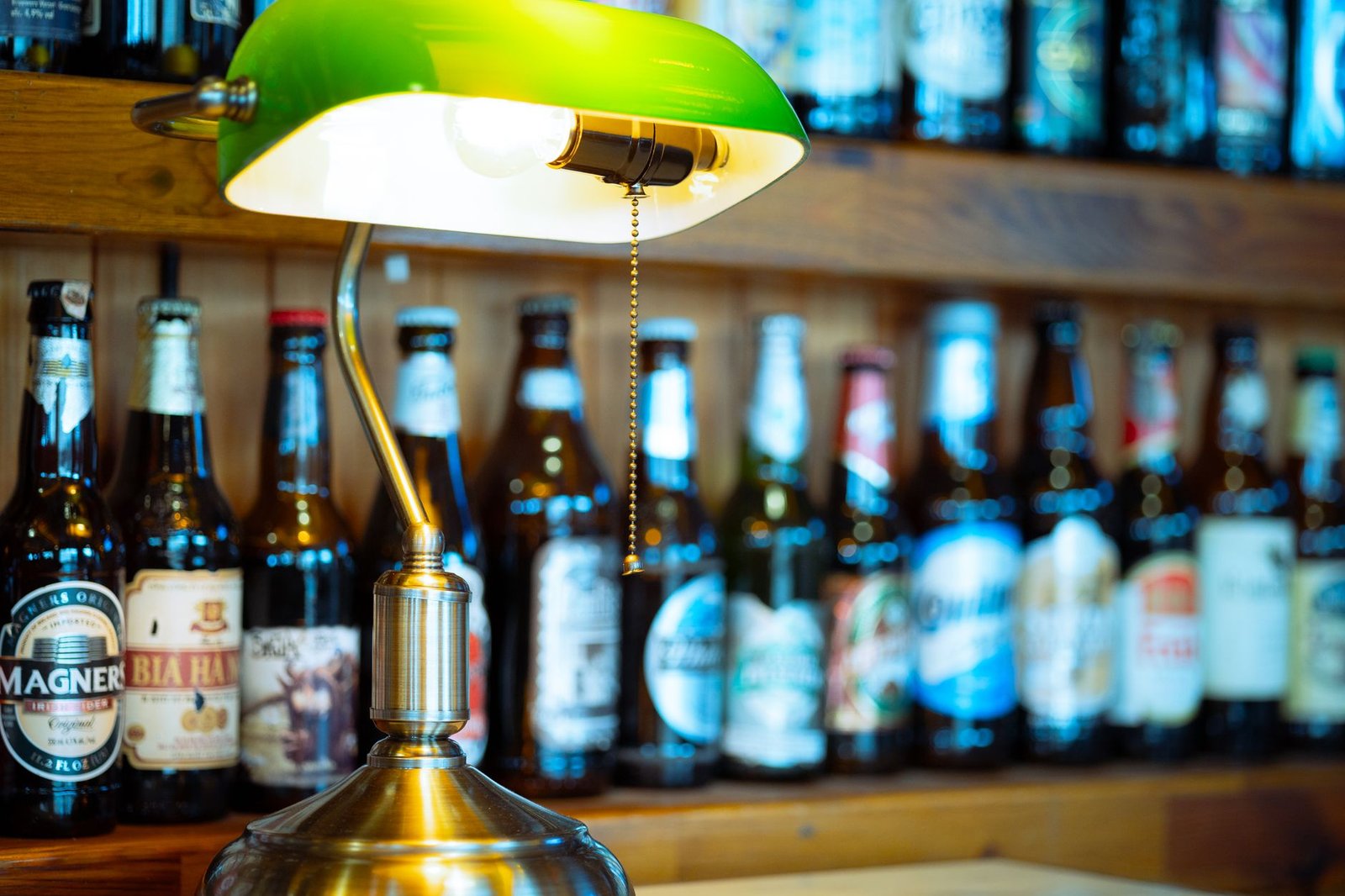
Traditional incandescent bulbs deliver warm, familiar light with a color temperature around 2700K and perfect color rendering. The glow feels cozy, which some users prefer for evening work or reading.
But incandescent technology is inefficient: roughly 90% of the energy goes to heat, not light. Bulbs last only 750–1,200 hours, meaning frequent replacements. Operating cost is the highest of the three, and many countries have phased out or restricted incandescent sales due to energy-efficiency standards. Unless you already own a vintage lamp and prefer its aesthetic, incandescent is the least practical choice for a home office in 2025.
Which Bulb Type Fits Your Workflow?
LED is the default recommendation for most home-office setups—it balances energy efficiency, lifespan, and feature flexibility. If you’ve already mapped out your brightness and placement strategy, an LED lamp will deliver the range you need without driving up your power bill.
Halogen works for specialized tasks requiring maximum brightness and color accuracy, but the heat and energy cost make it a niche pick. Incandescent suits vintage aesthetics or low-use accent lighting, not daily desk work.
Bottom Line
Choose LED for versatility, low running cost, and long-term reliability. Pick halogen if you need intense, daylight-quality task lighting and can tolerate the heat. Skip incandescent unless you’re committed to a specific lamp style and accept the ongoing bulb replacements. The right bulb type improves comfort and focus—just match it to how you actually work, not nostalgia or habit.
Leave a Reply