Heads up: some links in this post are affiliate links, which means we may earn a small commission if you make a purchase — at no extra cost to you.
When shopping for a desk lamp, the arm mechanism determines how flexible your lighting will be once it’s in place. Three main arm styles dominate the market: swing-arm, fixed-position, and gooseneck. Each offers different trade-offs in adjustability, stability, and desk footprint. Understanding which style matches your work habits will help you pick a lamp that actually works with your setup instead of fighting it.
Swing-Arm Desk Lamps
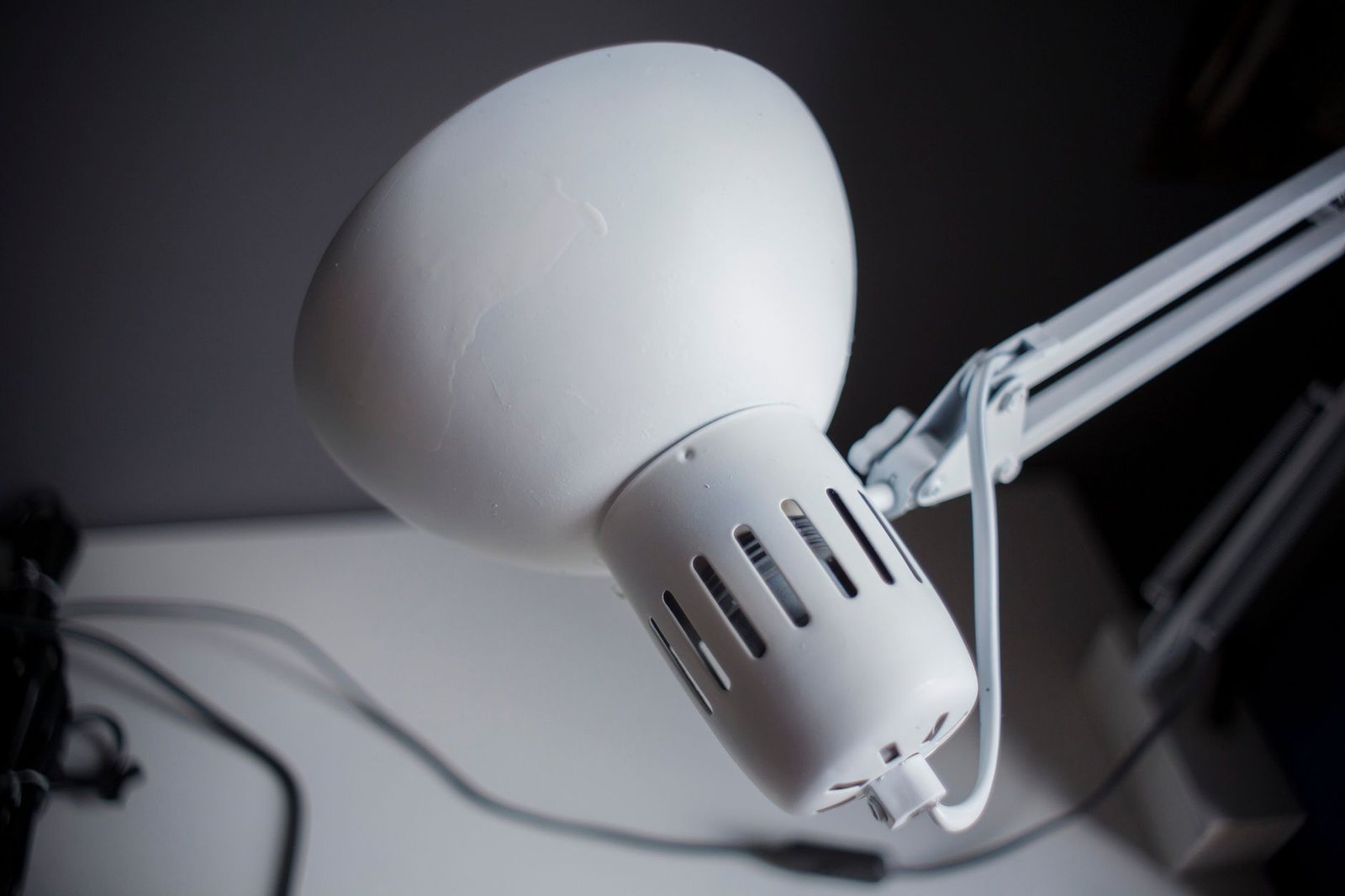
Swing-arm lamps use hinged joints (usually one or two pivot points) that let you reposition the light head by swinging it horizontally and vertically. Based on published specifications and customer feedback, most swing-arm designs offer 12 to 20 inches of horizontal reach when fully extended, with vertical adjustment ranging from 10 to 18 inches depending on the model.
The main advantage is repeatable positioning: you can move the light out of your way during video calls, then swing it back over your keyboard for focused task lighting. The joints typically hold their position through friction or spring tension. The downside is that cheaper models lose tension over time, causing the arm to droop gradually. This style works well if you frequently shift between tasks that need different lighting angles, or if you’re layering your desk lighting and need to reposition one source without disturbing others.

Fixed-Position Desk Lamps
Fixed lamps have no adjustable arm at all—just a rigid stem or arc that extends from the base to the light head. The only adjustment is usually a rotating shade that tilts up or down slightly. These lamps are lighter, simpler, and less expensive than articulated models.
The benefit is stability: there are no joints to tighten or springs to wear out. The limitation is obvious—you can’t move the light closer or farther away without physically relocating the entire lamp. This style makes sense if your desk layout is consistent and you know exactly where you want the light to stay. It’s also a good match for small desks where a compact footprint matters more than flexibility. If you’re working through a desk setup checklist for a new space, consider whether your work involves frequent layout changes before committing to a fixed design.
Gooseneck Desk Lamps
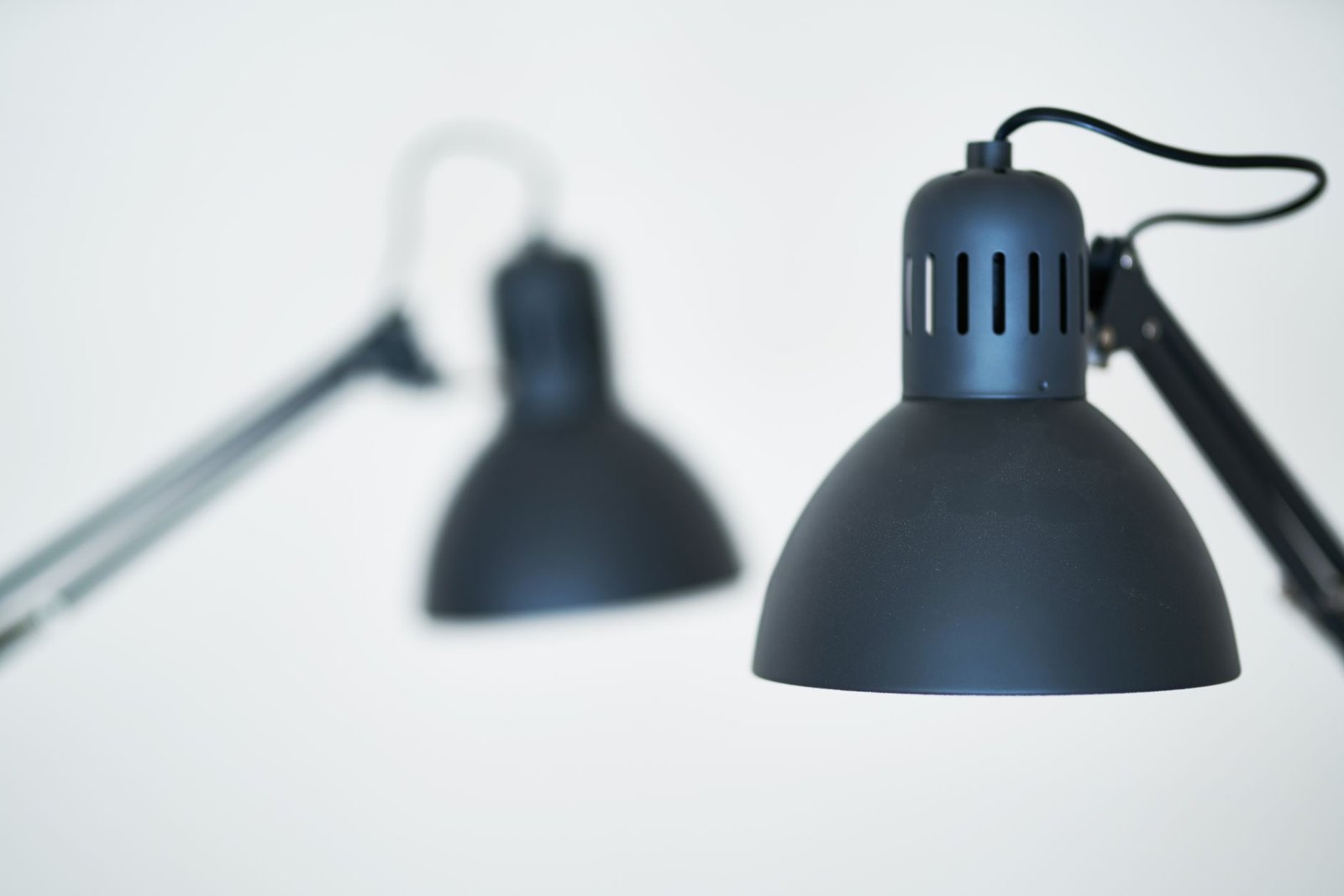
Gooseneck lamps use a flexible, bendable neck (usually metal coil wrapped in plastic or fabric) that lets you shape the curve manually. Most gooseneck necks range from 10 to 16 inches long and can be bent into nearly any arc within their range of motion.
The advantage is infinite adjustability within the arc—no discrete pivot points means you can fine-tune angles precisely. The catch is that gooseneck mechanisms can lose rigidity over time, especially if the lamp head is heavy. Buyer feedback suggests that goosenecks work best with lightweight LED heads rather than traditional bulb housings. This style is popular for clip-on lamps and task lighting in tight spaces where you need to aim light around obstacles. A rechargeable LED desk lamp (affiliate link) with a gooseneck design can be repositioned without cable constraints, making it easier to adjust on the fly.
Which Style Fits Your Desk?
Choose swing-arm if you regularly rearrange your workspace or share a desk with someone who has different lighting preferences. The repeatable positioning and sturdy joints make it the most versatile option for dynamic setups. Pick fixed-position if your desk layout is stable, your lighting needs are consistent, and you value simplicity over adjustability. Go with gooseneck if you need precise angle control in a compact form factor, especially for clip-on or secondary task lighting where the lamp head is lightweight.
If you’re not sure which direction to lean, consider how often you actually adjust your current lamp. If it’s been sitting in the same spot for months, a fixed or minimally adjustable design will likely serve you fine. If you tweak it multiple times per day, invest in a swing-arm or gooseneck with solid build quality—cheap joints and flimsy necks will frustrate you quickly.
Leave a Reply