This article includes affiliate links. We may earn a commission on qualifying purchases, at no additional cost to you.
When you’re setting up desktop storage, the format you choose matters as much as the capacity. Bins, drawers, and trays all handle clutter differently—some excel at visibility, others at concealment, and a few offer flexibility. Here’s how to pick the right organizer style for your desk and workflow.
Quick Checklist: Choosing Your Desktop Organizer Style

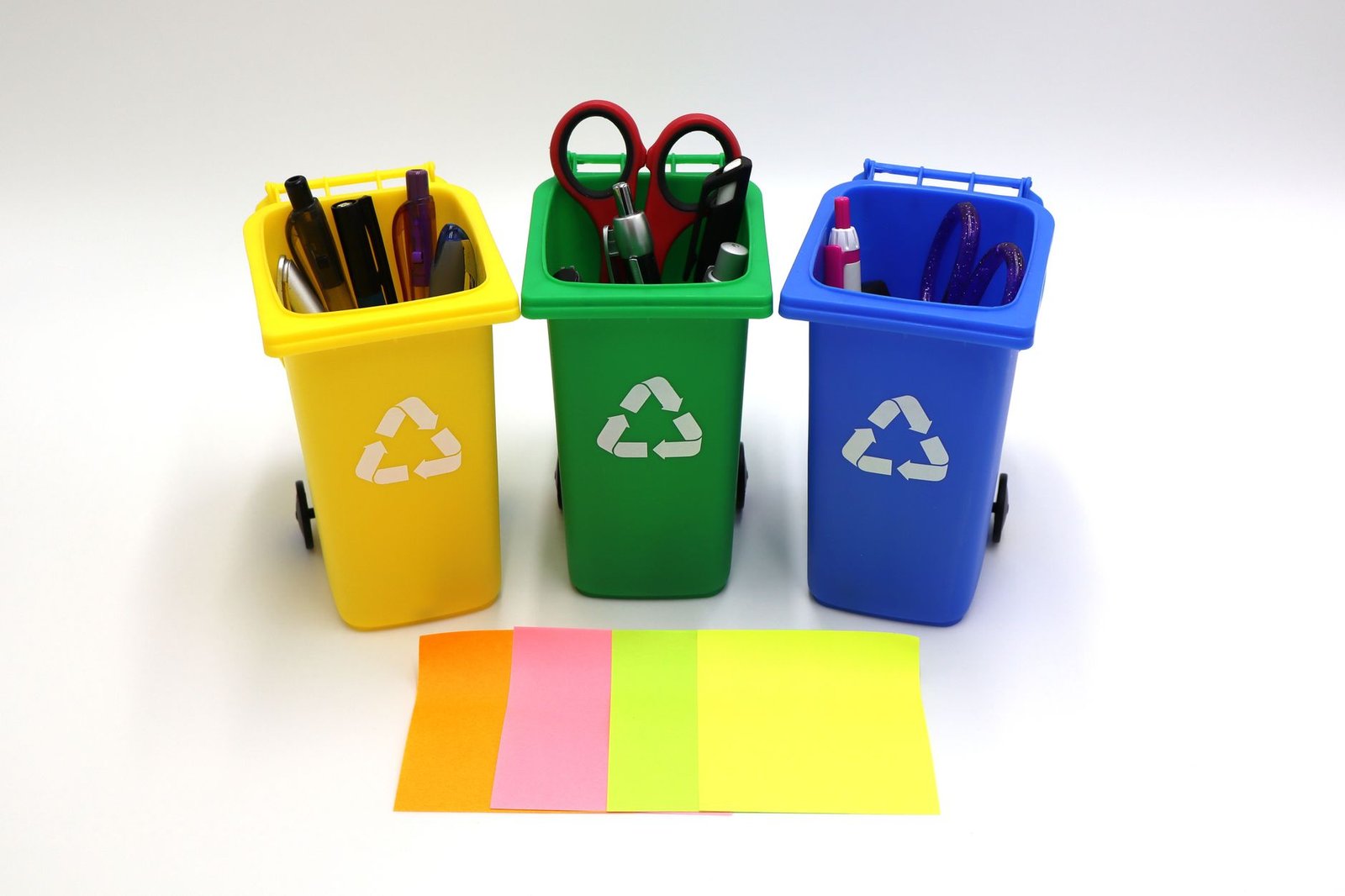
- Choose desktop bins if you need quick grab-and-go access. Open-top bins work well for items you reach for multiple times per day—pens, sticky notes, charging cables. Based on buyer feedback, mesh or perforated bins offer better visibility than solid-sided options, so you’re not constantly lifting containers to see what’s inside.
- Choose desktop drawers if you want concealment and a cleaner surface. Drawer-style organizers hide contents completely, which reduces visual clutter on camera and makes desks look neater between work sessions. Most models use shallow drawers (1-2 inches deep) that prevent items from piling up and getting lost.
- Choose desktop trays if you work with paper, mail, or flat items. Stackable letter trays and tiered document holders keep paperwork sorted without taking up much horizontal space. If you process invoices, client files, or printed reference sheets regularly, trays prevent the “pile on the corner” problem.
- Consider hybrid organizers for mixed storage needs. Many desktop organizers combine a top tray with side compartments or a small drawer underneath. These work well if you need visible storage for daily tools and concealed storage for backup supplies or less-attractive items like batteries and adhesive rolls.
- Match organizer depth to your actual desk depth. Desktop organizers range from 4 to 10 inches deep. On shallow desks (under 24 inches), deep organizers push your keyboard and mouse too close to the edge. Measure your usable desk depth before buying, especially if you already have a monitor arm or desk lamp taking up space.
- Check weight capacity for heavier items. If you’re storing staplers, tape dispensers, or reference books, flimsy plastic bins tip or crack under load. Look for organizers with reinforced bases or metal construction if you’re storing anything over two pounds per compartment.
- Pick organizers with non-slip bases if your desk surface is smooth. Glossy laminate, glass, or polished wood desks let lightweight organizers slide around. Rubberized feet or silicone pads keep bins and trays stationary when you’re grabbing items quickly.
- Use drawer organizers inside desktop drawers for better segmentation. If you opt for a desktop drawer unit, most benefit from internal dividers. A modular drawer organizer set prevents small items like paper clips and USB drives from migrating into a jumbled mess.
- Consider vertical stacking if horizontal desk space is limited. Stackable bins and tiered trays use height instead of width. This works well on compact desks or when you’re storing items you don’t need constant access to—backup supplies, archived project files, or seasonal paperwork.
- Choose clear or mesh materials if you forget what you’ve stored. Opaque bins and drawers hide clutter, but they also hide contents. If you frequently forget where you put things, transparent organizers reduce the need to open every compartment during a search.
- Pair desktop organizers with under-desk storage for a complete system. Desktop storage should hold daily-use items only. For less-frequent supplies, reference materials, or overflow, under-desk storage solutions keep your surface clear while keeping backup items accessible.

When to Use More Than One Style
Most functional desks use a combination: a tray for active paperwork, a small drawer for personal items or chargers, and one or two bins for tools you grab throughout the day. The key is limiting desktop storage to what you actually use daily—everything else belongs in a drawer, cabinet, or under-desk solution.
Leave a Reply