
Heads up: some links in this post are affiliate links, which means we may earn a small commission if you make a purchase — at no extra cost to you.
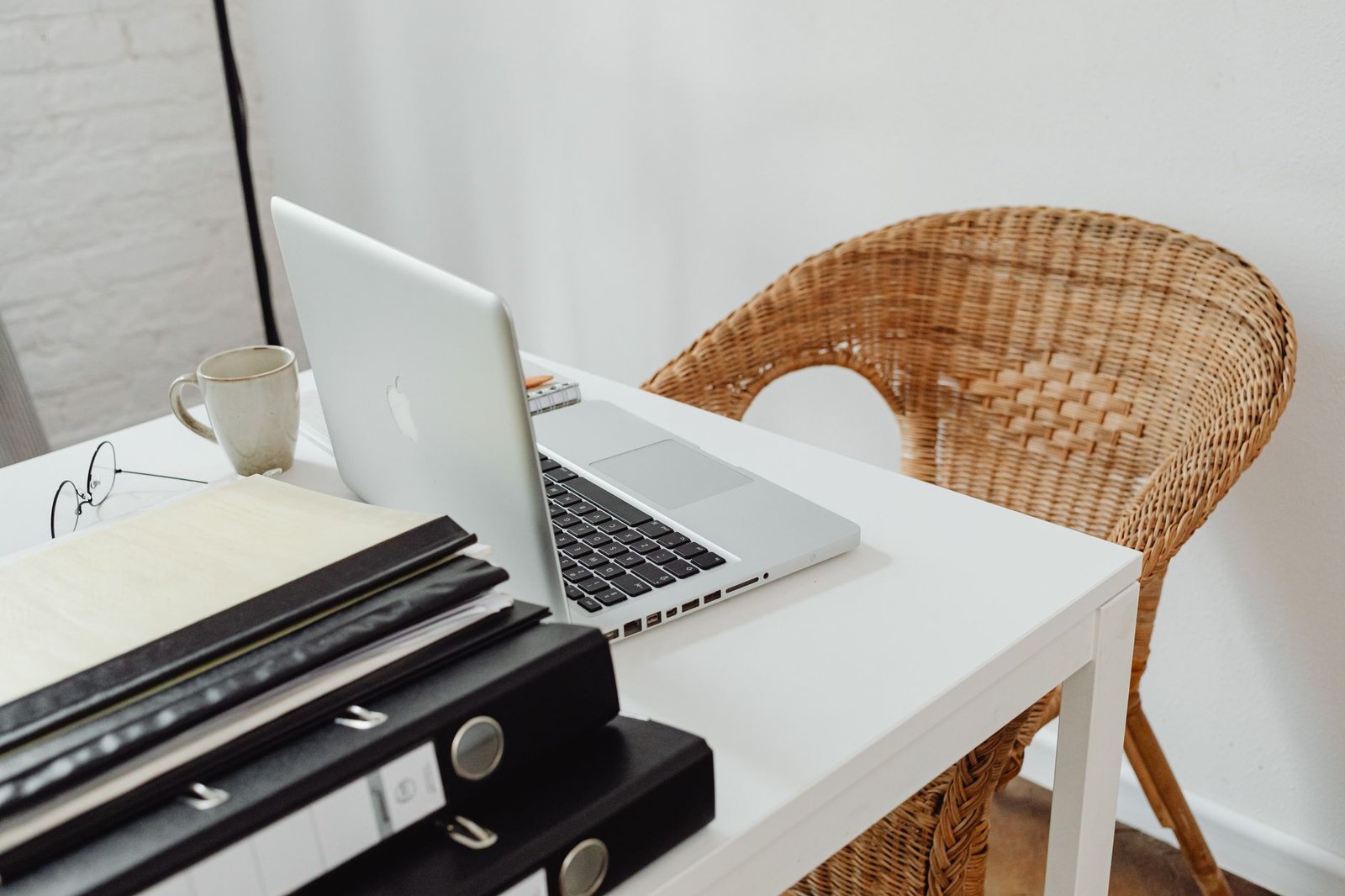
When you’re working with limited desk space, traditional filing cabinets and desktop organizers often take up more room than you can spare. The challenge isn’t just finding storage that fits—it’s choosing solutions that keep documents accessible without turning your workspace into a cramped mess.
This checklist walks through practical file storage options sized for small desks, focusing on what actually works in tight home office setups based on published specifications and customer feedback.
Vertical Wall-Mounted File Holders
- Wall-mounted magazine racks keep current project files within arm’s reach without consuming any desk surface. Most models measure 12-15 inches wide and mount directly above or beside your desk.
- Hanging file pockets work well for frequently accessed documents. Look for tiered designs that hold 3-5 pockets vertically—they typically need just 18 inches of wall width.
- Clipboards on hooks provide instant-access storage for single-sheet reference documents. Mount them on the wall beside your monitor to keep instructions or checklists visible.
Under-Desk File Storage
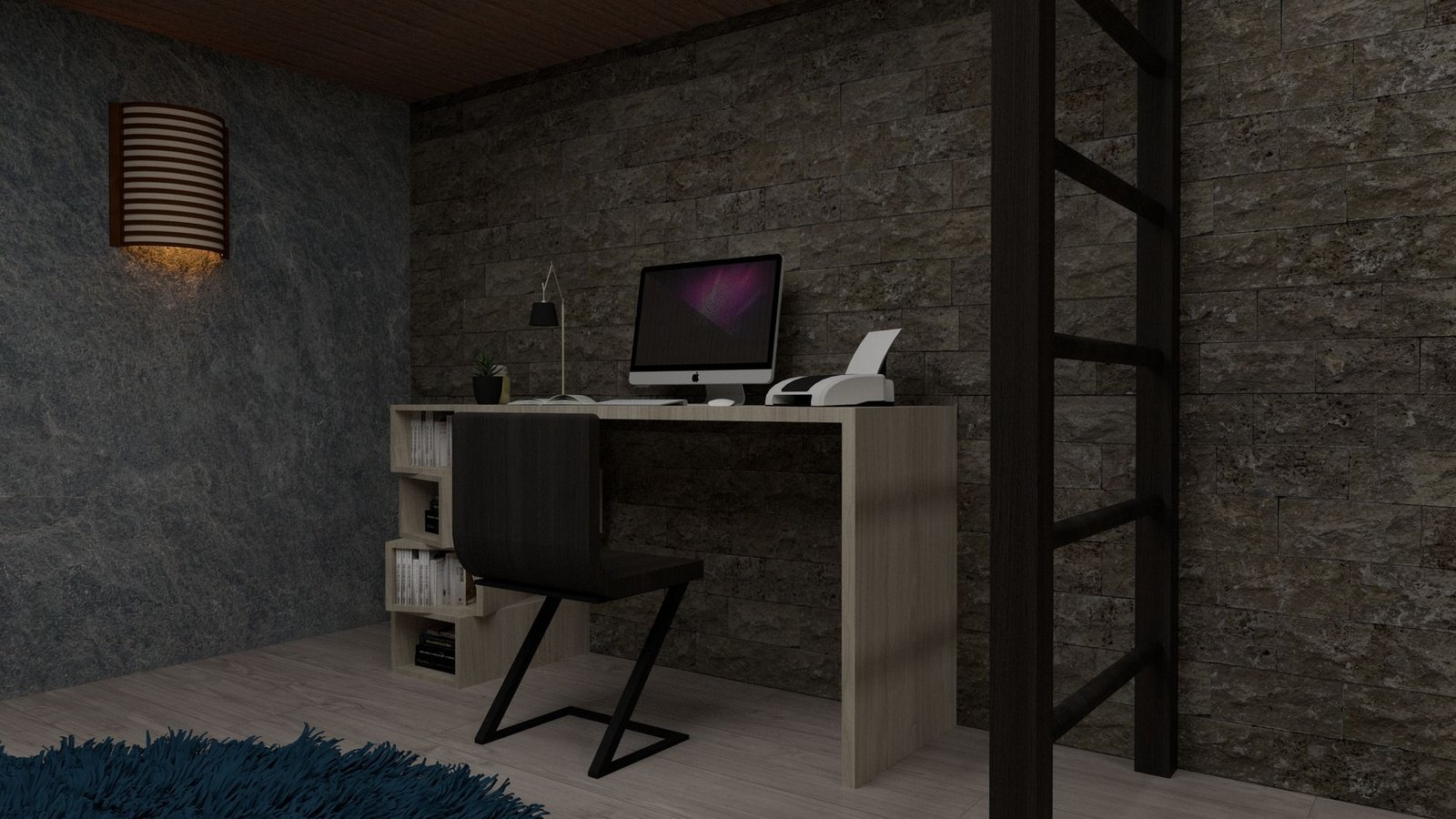
- Rolling file carts slide under desks that have at least 24 inches of clearance. Choose models 12-14 inches wide so they don’t block your leg space when stored.
- Hanging file boxes designed for letter or legal size fit under most desks. These typically measure 12×16 inches and hold 20-30 folders without the bulk of a traditional cabinet.
- Under-desk drawers mount to the underside of your desktop and provide hidden storage for active files. If you’re looking to combine cable management with storage, an under-desk hidden drawer (affiliate link) offers both document space and a concealed compartment for cords.
Desktop File Solutions That Don’t Overwhelm Small Surfaces
- Stepped desk organizers with built-in file slots use vertical space efficiently. Models around 10 inches wide hold letter-size folders while leaving room for a laptop or notebook.
- Desktop file sorters with 3-5 upright slots keep active project folders separated. Choose designs under 12 inches deep so they sit against your desk’s back edge without crowding your work area.
- Mesh desktop file holders hold 6-10 folders in a footprint of roughly 5×10 inches. They’re smaller than traditional trays and easier to reposition as your needs change.
Hybrid Storage That Does Double Duty
- Monitor stands with file storage raise your screen to ergonomic height while creating a shelf underneath for file folders or binders. Most accommodate 8-12 folders in a space you weren’t using anyway.
- Drawer organizer sets with document sections let you dedicate one drawer compartment to files while using the rest for desk accessories that actually reduce clutter.
- Pegboard with file pocket attachments gives you modular wall storage. Add or remove file pockets as projects change without permanent mounting hardware.
What to Skip on Small Desks
- Traditional 2-drawer file cabinets require 15-18 inches of floor width and rarely fit comfortably beside compact desks.
- Horizontal desktop file trays that stack create tall, unstable towers and block sight lines on small surfaces.
- Large capacity file boxes designed to hold 50+ folders become too heavy to move easily and defeat the flexibility small spaces require.
The most effective file storage for small desks uses vertical and under-desk space first, reserving desktop real estate for active work. Prioritize solutions that keep your 5-10 most frequently accessed files within reach, and store archive documents elsewhere in your home.
Leave a Reply