Home office setups have settled since the early remote-work rush, and the trends worth paying attention to now are less about novelty and more about setups people are actually sticking with long-term. Here’s what’s genuinely shifting.
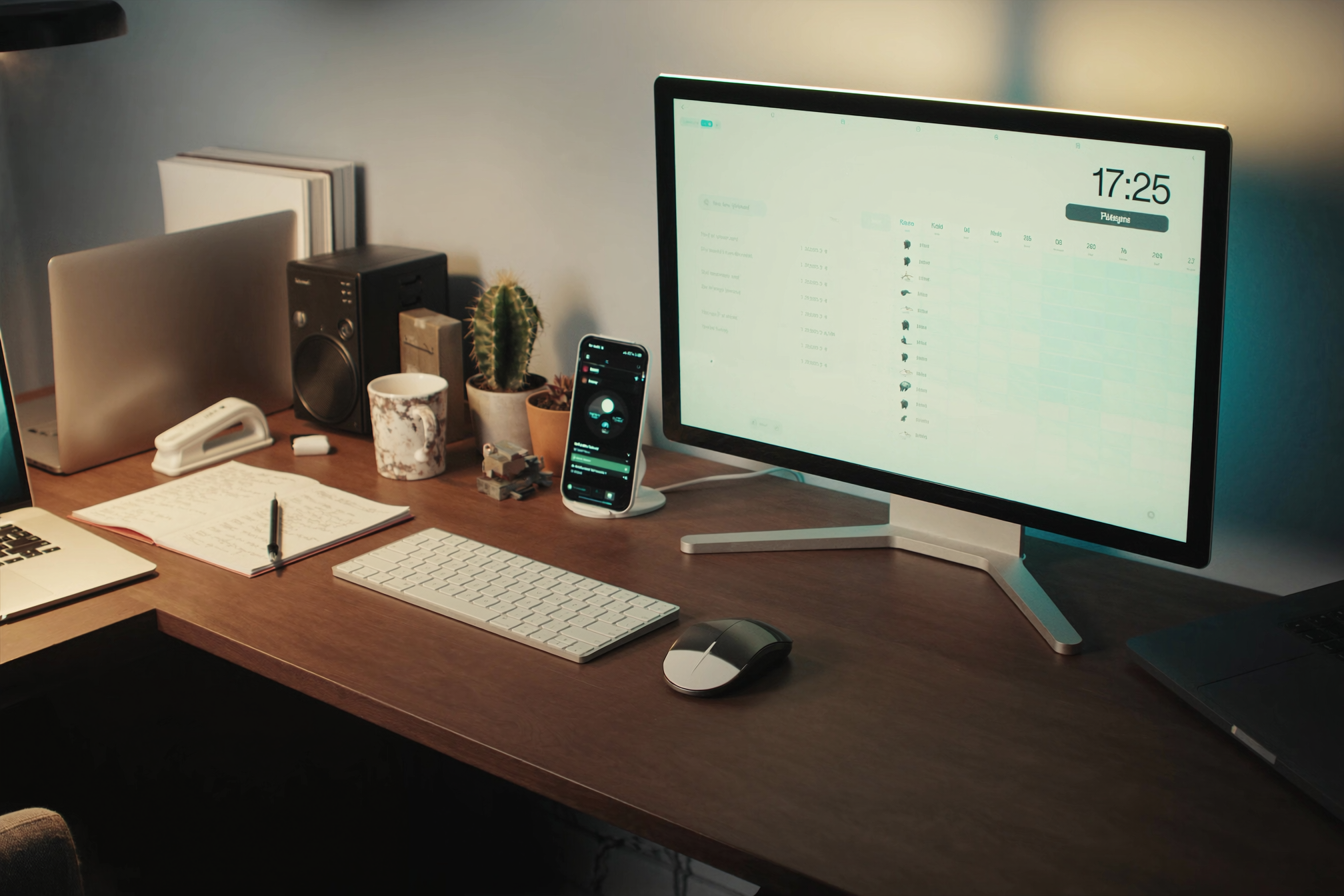
Multi-monitor setups are normalizing, not just for power users
Dual and even triple monitor arms have moved from a “power user” purchase to a fairly standard home office upgrade, driven partly by falling prices on monitor arms and partly by more people permanently splitting communication tools from focused work across separate screens.
Cable management has become a first-class concern, not an afterthought
As people settle into permanent home setups rather than temporary ones, cable management products — trays, raceways, sleeves — have grown from a niche accessory into one of the most searched desk upgrade topics, simply because a “temporary” tangle of cables becomes genuinely annoying once it’s been sitting there for two years.
Adjustable and hybrid furniture is replacing fixed setups
Standing desk converters and adjustable monitor arms continue to grow because more people split their day between focused desk work and other tasks, and want furniture that adapts rather than committing to one fixed position all day.

Lighting is getting treated as workspace equipment, not decor
Desk lamps with adjustable color temperature have shifted from a “nice to have” to something people actively research before buying, largely driven by more video calls and longer screen hours making people notice how much lighting affects both eye comfort and how they look on camera.
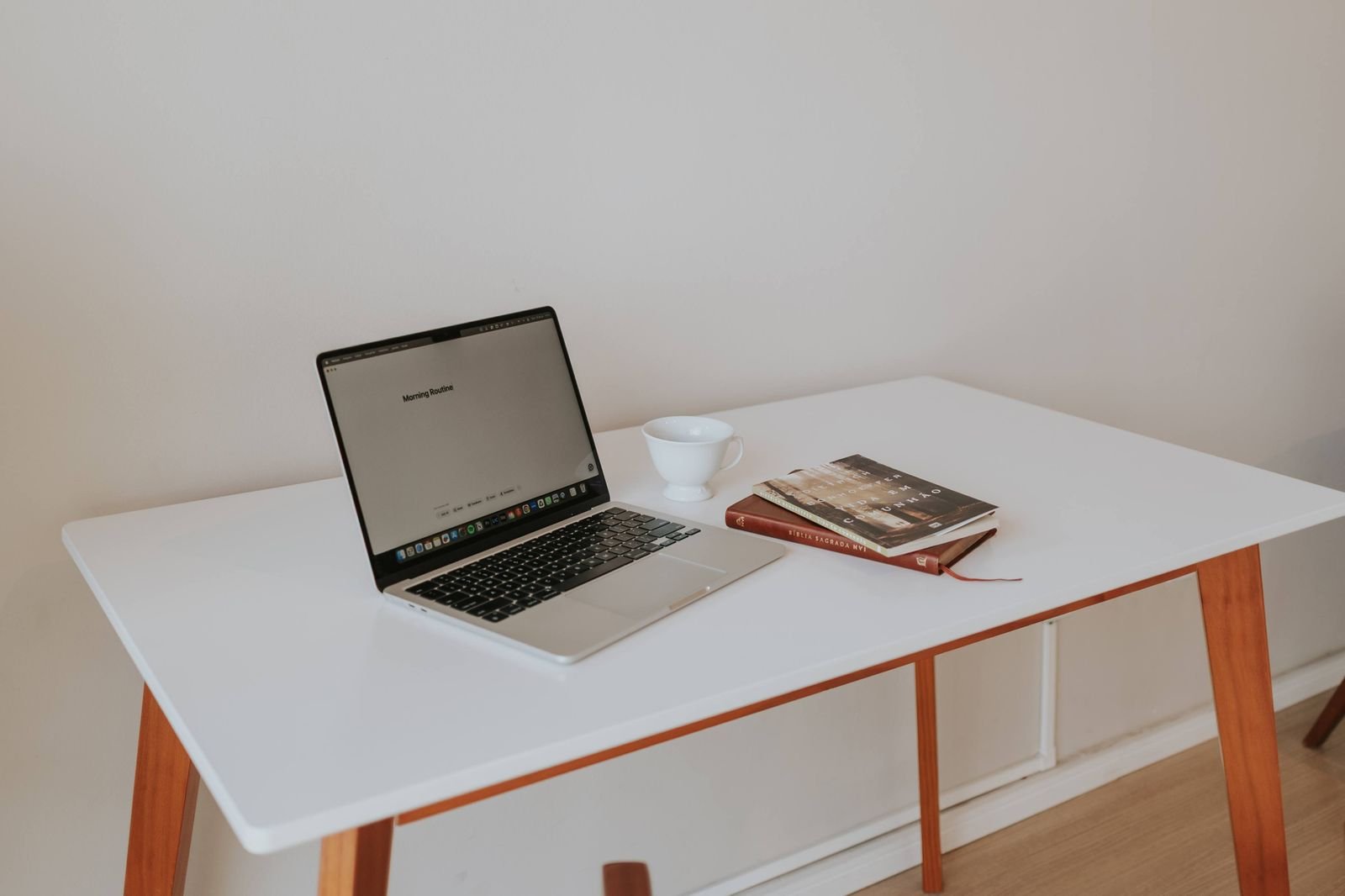
Minimalism is winning over “gamer aesthetic” for home offices specifically
While gaming setups still lean toward RGB lighting and visible cable runs as part of the aesthetic, home office setups are trending toward a cleaner, hidden-cable, neutral-color look, likely because that space also has to double as a presentable video-call background.

Bottom line
The common thread across these shifts is permanence: people are furnishing home offices like they’re staying, not like they’re waiting to go back to an office. That’s driving more spending on cable management, adjustability, and lighting than on purely decorative upgrades.
Leave a Reply