This post contains affiliate links. If you buy through these links, we may earn a commission at no extra cost to you.
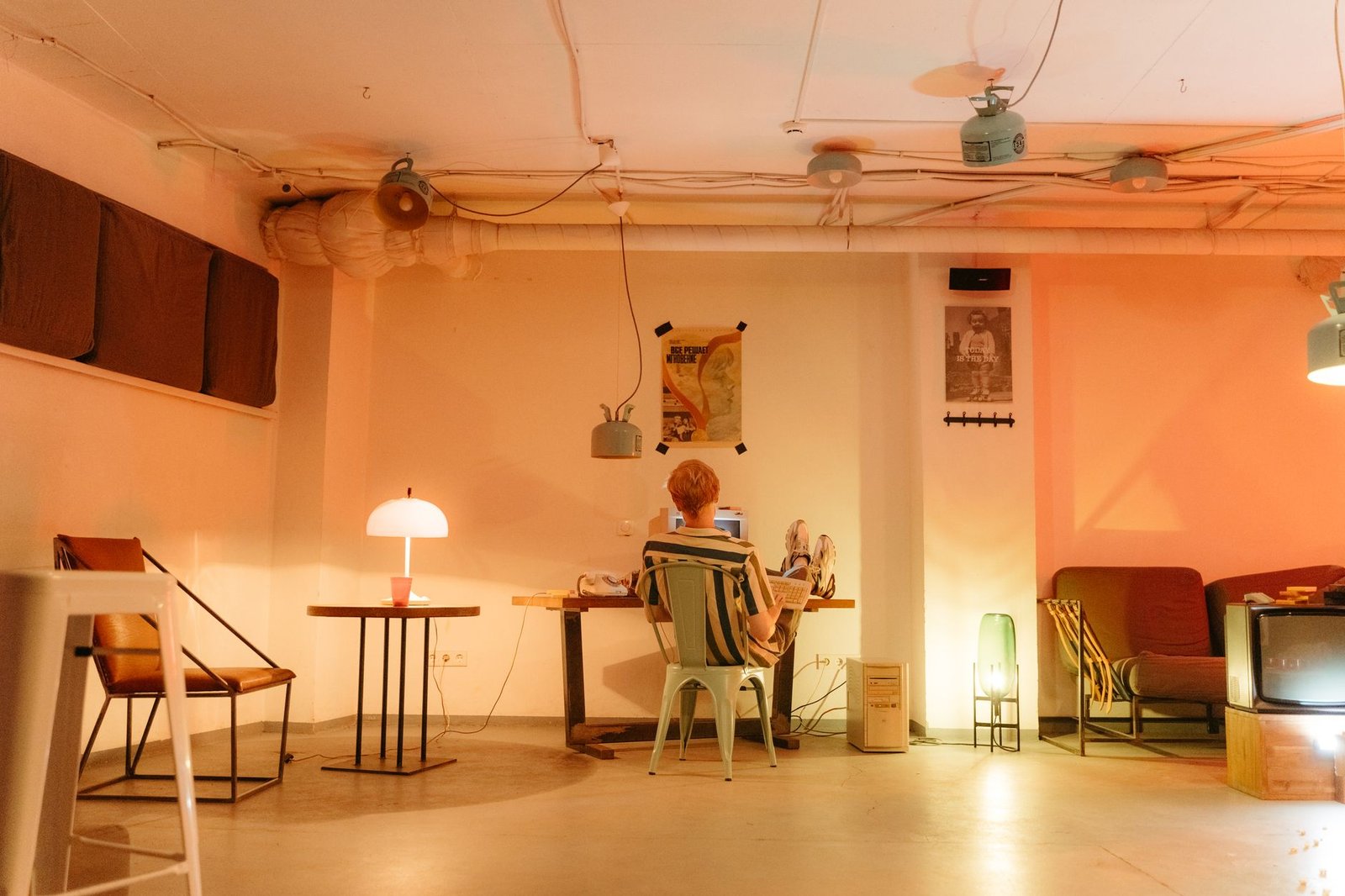
Not every home office comes with overhead lighting. Spare bedrooms, basement corners, and converted closets often lack ceiling fixtures entirely, leaving you with dim, uneven lighting that strains your eyes and saps your focus. The good news is that you don’t need an electrician or major renovation to build a well-lit workspace. With the right combination of freestanding, clipped, and task lighting, you can create bright, comfortable illumination from the ground up.
Start With a Tall Floor Lamp for Ambient Light
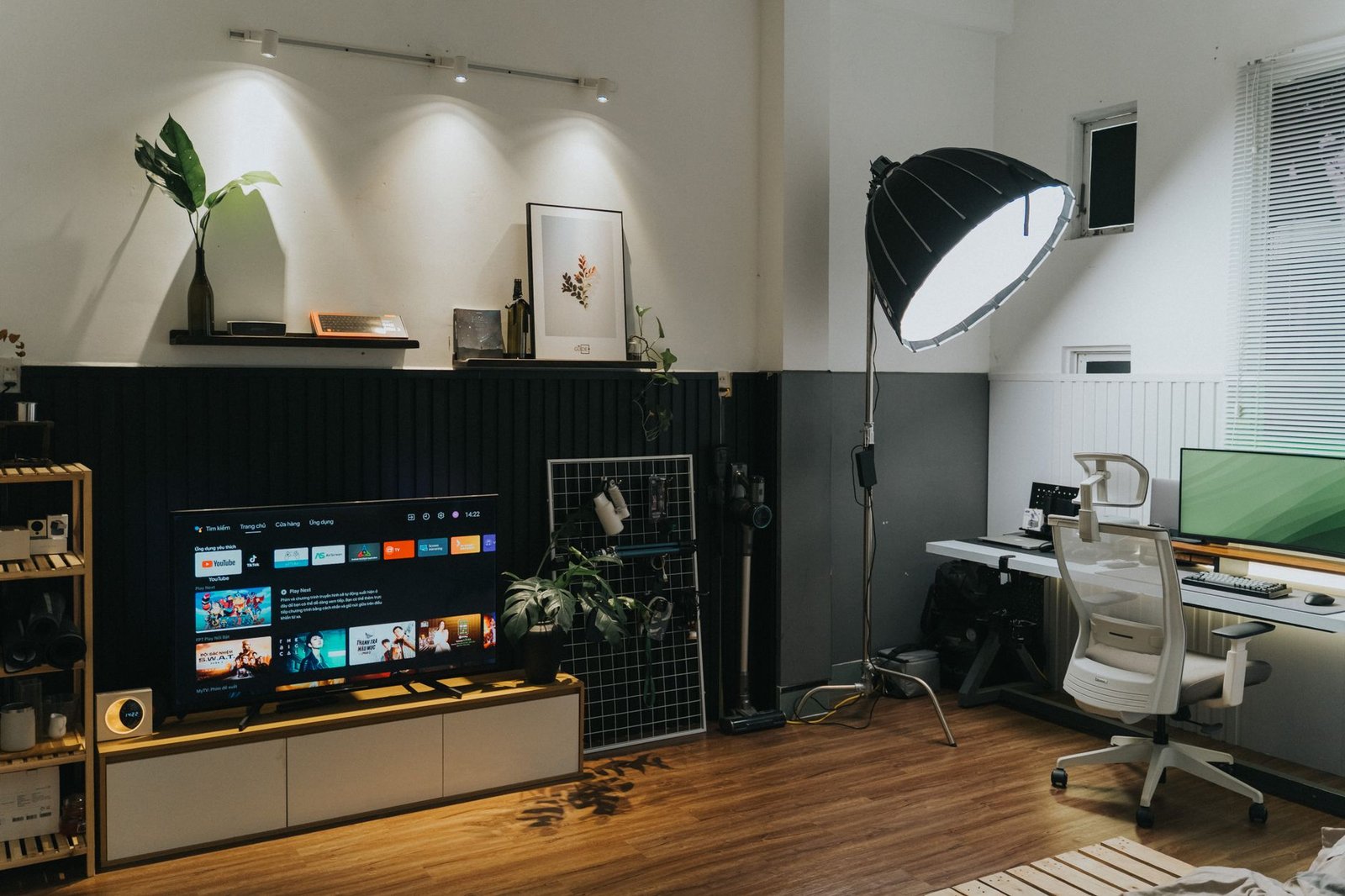
A tall floor lamp—ideally 60 to 72 inches high—provides broad, ambient light that mimics the coverage of a ceiling fixture. Position it behind or beside your desk so the light diffuses across the room without casting harsh shadows on your monitor. Look for models with adjustable heads or multi-bulb designs that spread light in multiple directions. Torchiere-style lamps that bounce light off the ceiling work especially well in rooms with white or light-colored ceilings, creating soft, indirect illumination similar to overhead fixtures.
Add a Desk Lamp for Focused Task Lighting
Ambient light alone won’t cut it for detail work, reading documents, or writing notes. A dedicated desk lamp gives you direct, adjustable light exactly where you need it. Based on published specifications and customer feedback, swing-arm or gooseneck models offer the most flexibility for positioning light without taking up valuable desk real estate. A rechargeable LED desk lamp (affiliate link) eliminates the need for outlets near your desk and can be repositioned easily. Pay attention to brightness levels—aim for at least 400 lumens for reading and computer work. If you’re unsure about what color temperature should your desk lighting be, neutral white (3500–4500K) balances focus and comfort for most tasks.
Use Clip-On Lights for Shelves and Vertical Surfaces
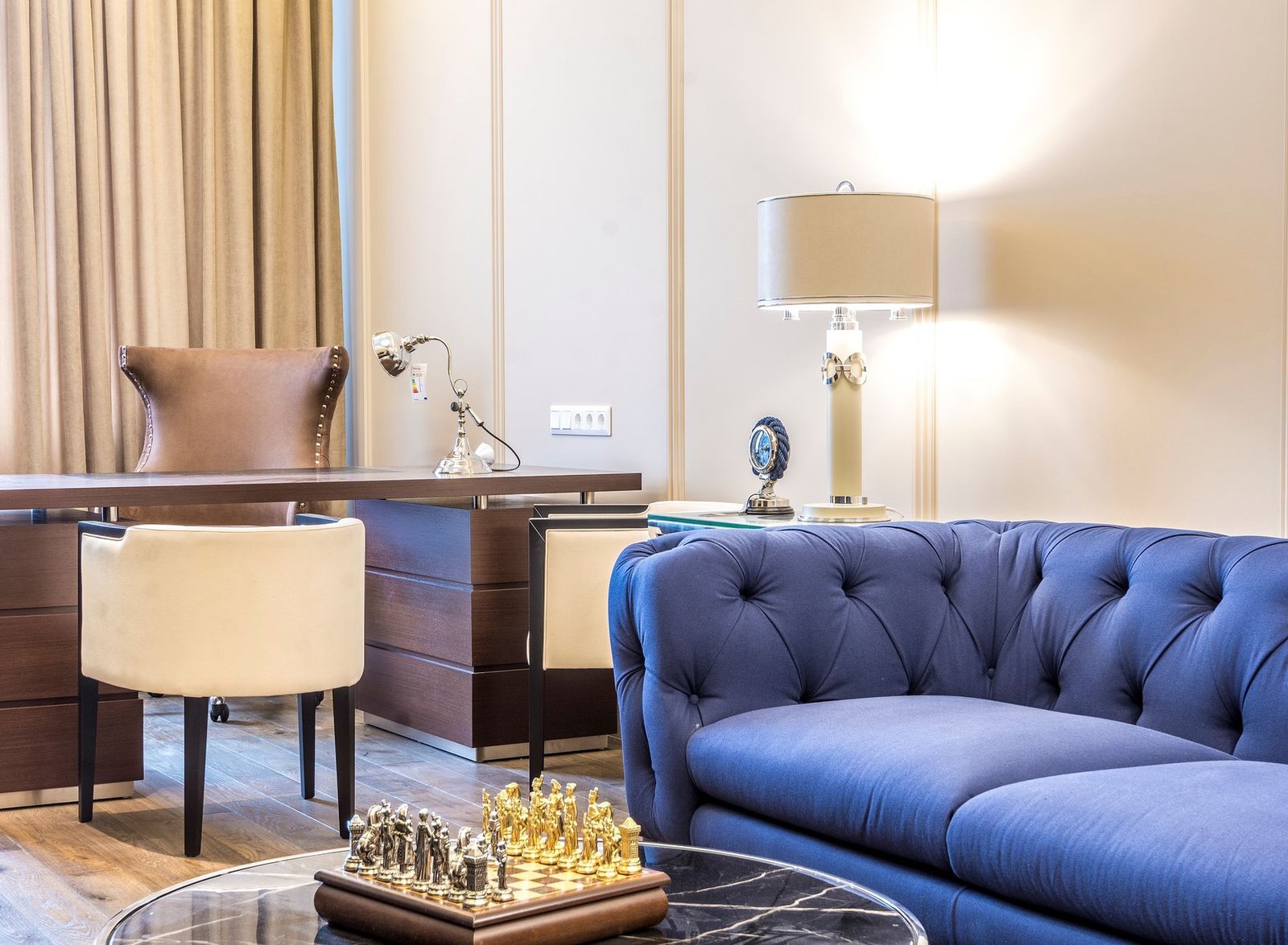
Clip-on lamps are underrated for offices without overhead lighting. Attach them to shelves, bookcases, or the edge of a monitor to add supplemental light from unexpected angles. They’re especially useful for illuminating dark corners, closet-office setups, or areas behind your monitor that a desk lamp can’t reach. Because they draw power from a USB port or battery, clip-on lights keep your cord count low and don’t require nearby outlets. Position them to point toward walls or ceilings for reflected light, or aim them downward for focused task lighting on secondary work surfaces.
Layer Your Lighting to Avoid Dark Zones
The secret to a well-lit office with no overhead fixture is layering. Combine ambient light (floor lamp), task light (desk lamp), and accent light (clip-on or wall-mounted fixtures) to eliminate shadows and create even coverage. Avoid relying on a single bright source, which creates harsh contrast and increases eye strain. Instead, distribute light around the room at different heights and angles. This approach not only improves visibility but also reduces eye strain by softening transitions between bright and dark areas.
Power Your Setup Without Overloading Outlets
Multiple lamps mean multiple plugs. If your room has limited outlets, invest in a quality surge-protected power strip with at least six outlets and USB ports for charging lamps or accessories. Route cords along baseboards or behind furniture to keep them out of sight and prevent tripping hazards. Battery-powered or rechargeable lamps reduce dependence on outlets and give you more flexibility in lamp placement, especially for clip-on or portable accent lights. Plan your power layout before you buy lamps—knowing where outlets are located will help you choose between plug-in and rechargeable models.
Leave a Reply