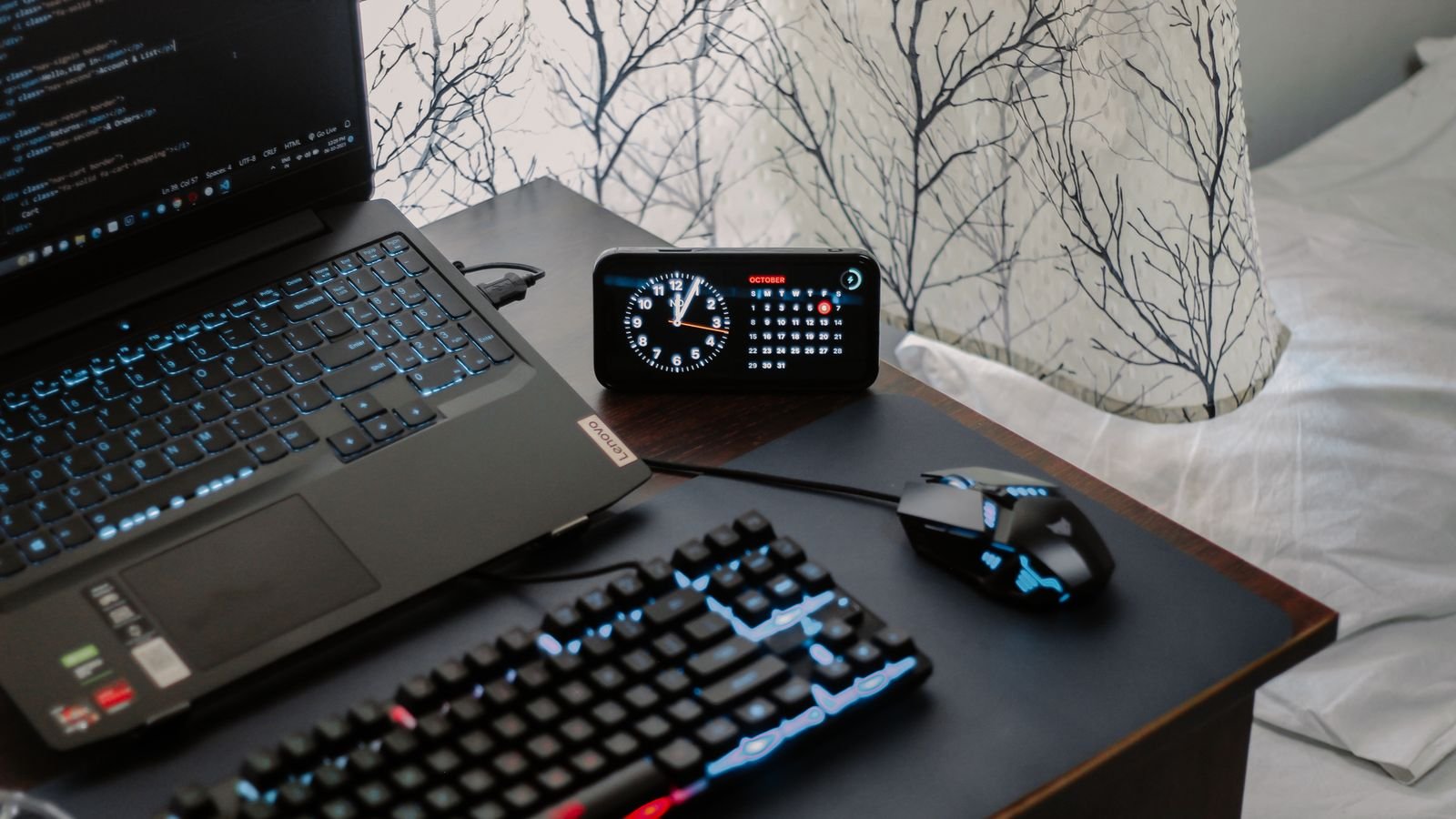
Desk upgrade budgets scale differently than most people expect — the jump from $50 to $150 changes more than the jump from $150 to $300 does. Here’s roughly what each budget tier actually gets you.
$50 tier: fix the worst problem, not everything
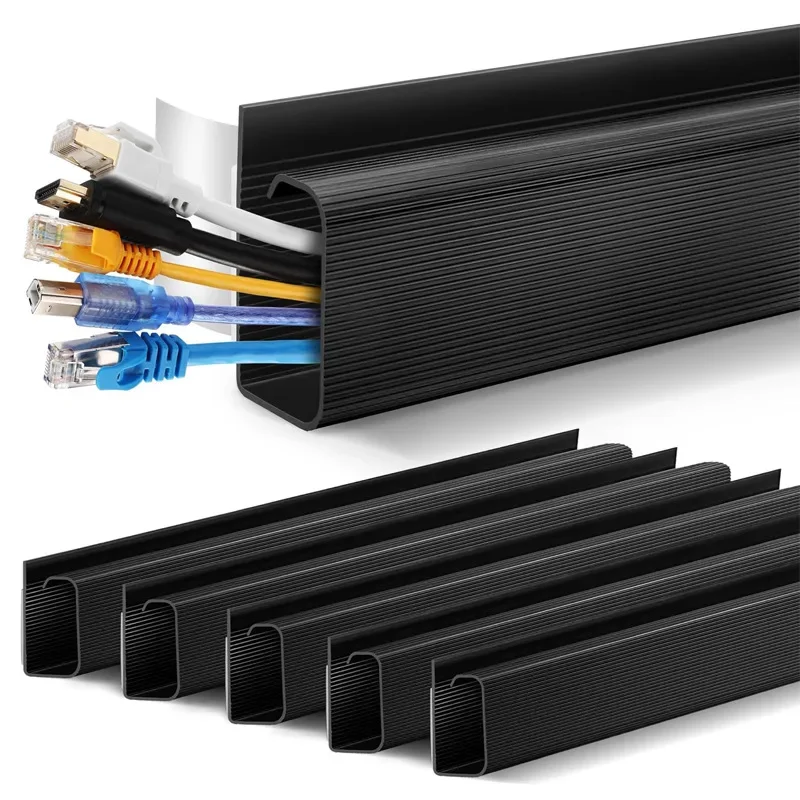
At this budget, pick the single biggest pain point and solve just that. A basic monitor riser or a no-drill cable tray each cost well under $50 and meaningfully improve one specific issue — posture or cable clutter — without trying to overhaul the whole desk. Spreading $50 thin across five small items usually accomplishes less than solving one problem well.
$150 tier: this is where real ergonomic gains start
At $150, a single-arm monitor mount plus a decent adjustable desk lamp becomes realistic, and this tier is where most of the practical, daily-use ergonomic improvement actually happens — freeing desk space with a monitor arm and fixing eye strain with proper lighting solve two of the most common desk complaints directly. This tier delivers more noticeable day-to-day improvement per dollar than either tier above or below it.
$300 tier: diminishing returns start, but comfort compounds
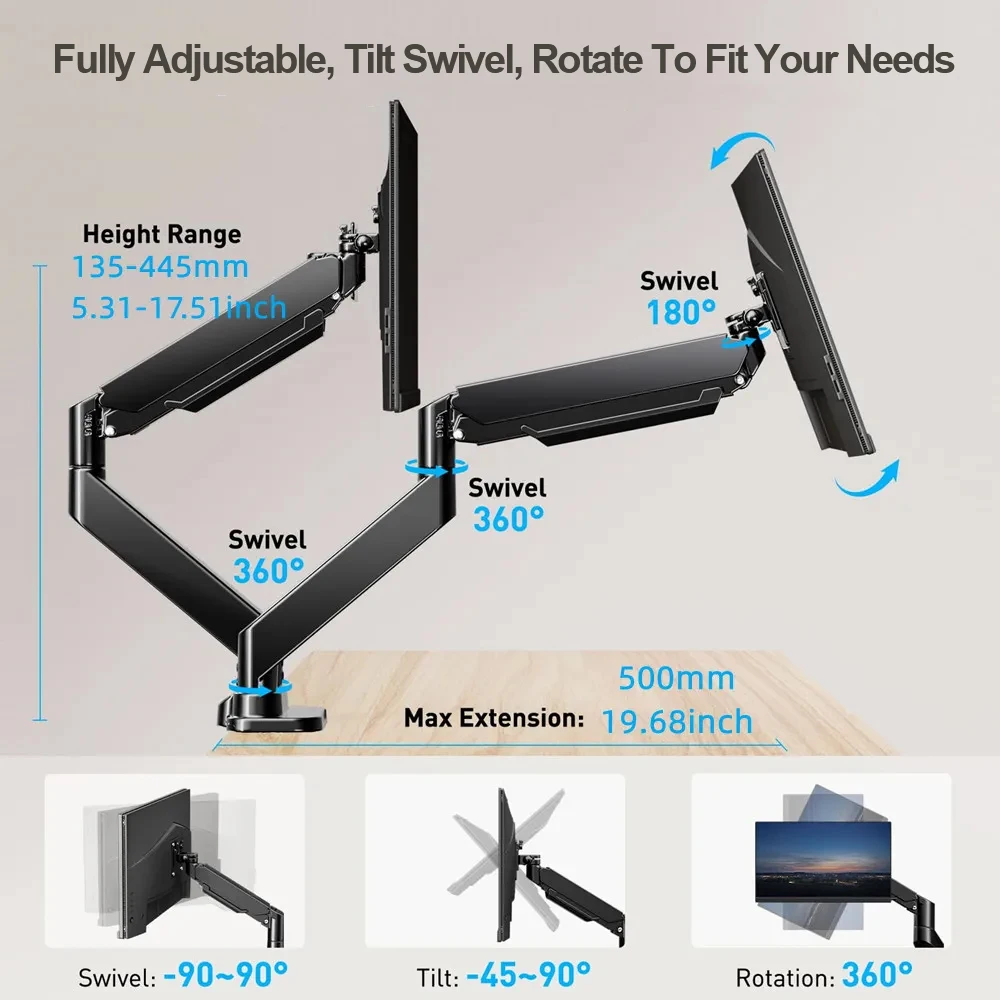
At $300, a dual monitor arm, premium desk mat, and a proper cable management system are all in reach together. The improvement over the $150 tier is real but smaller in proportion — you’re refining an already-decent setup rather than fixing an obviously broken one, so the jump feels less dramatic even though the total comfort is higher.
Sequencing matters more than total budget
Buying a premium desk mat before fixing a bad monitor height, for example, spends money on comfort while leaving the actual ergonomic problem untouched. Whatever your total budget, address monitor height and cable clutter first — they affect posture and daily frustration the most — before spending on refinements like premium surfaces or lighting aesthetics.
Buying used or off-brand narrows the gap between tiers
Monitor arms and desk accessories are one of the more forgiving categories for off-brand or sale purchases, since the core mechanism doesn’t vary as dramatically in quality as, say, electronics. Shopping sales within a category can effectively move a $150 result into a $50-$100 actual spend.

Bottom line
The $150 tier delivers the best ratio of visible improvement to money spent for most people, mainly because it’s the first tier that can address both monitor height and lighting together. Spend there first if budget is limited, and treat $300+ upgrades as refinement rather than necessity.
Leave a Reply