This article includes affiliate links. We may earn a commission on qualifying purchases, at no additional cost to you.
Getting the right desk lamp is only half the battle—where you place it and how high it sits above your work surface can make the difference between comfortable, focused lighting and eye strain or harsh shadows. Most people either set their lamp too low, creating a cramped pool of light, or too high, losing intensity where they need it most. Here’s how to find the optimal height and positioning for your desk lamp based on what you’re actually doing at your desk.
General Height Guidelines by Lamp Type
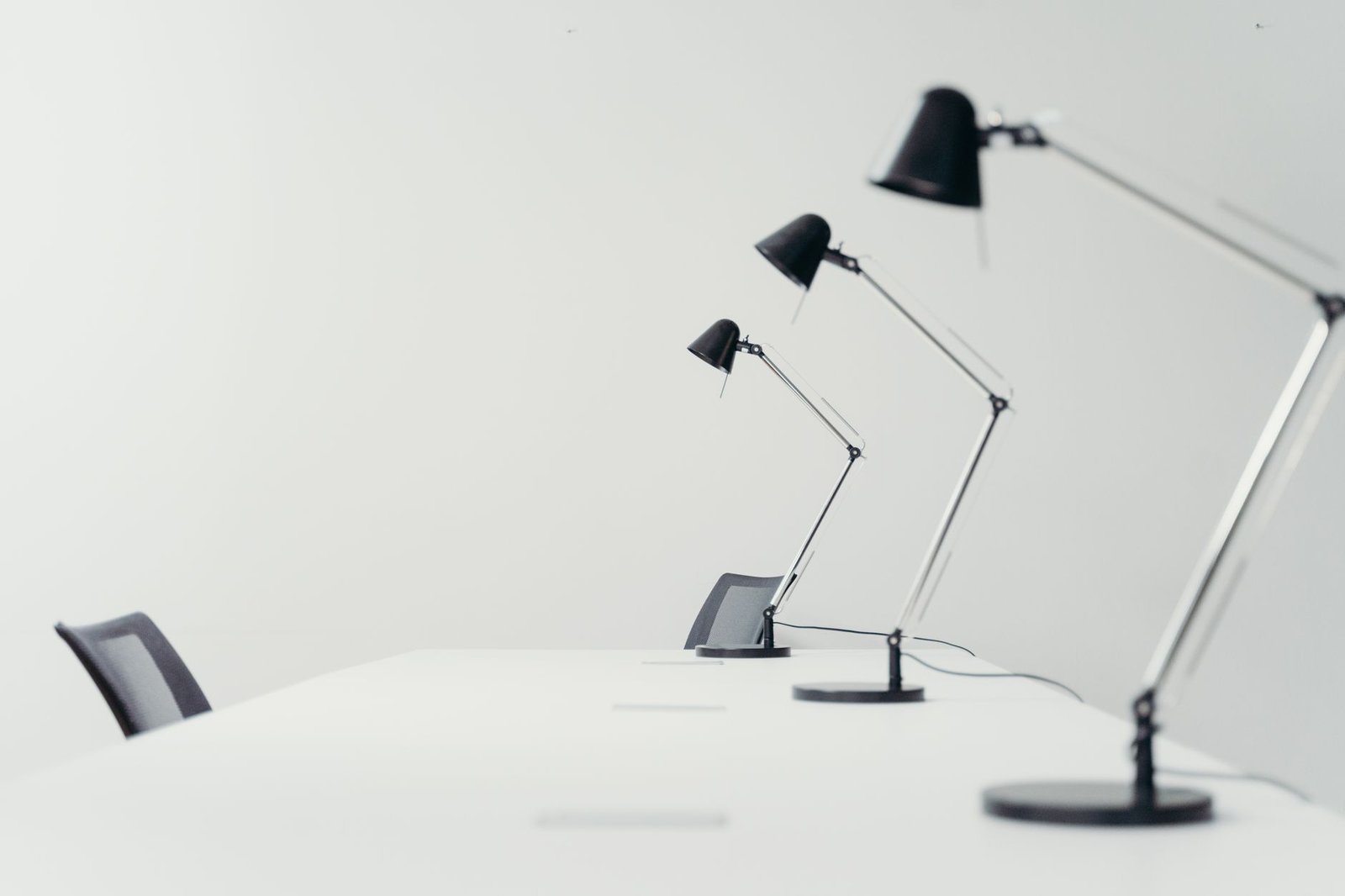
The ideal lamp height depends largely on the style of lamp you’re using. For adjustable swing-arm or gooseneck lamps, the light source should typically sit 15 to 20 inches above your desk surface when positioned for general desk work. This range provides enough spread to cover a keyboard, notebook, and standard work area without creating harsh shadows or forcing you to look directly into the bulb.
Fixed-height lamps—like traditional banker’s lamps or short task lights—usually measure 12 to 16 inches tall at the shade. These work best when placed closer to the edge of your desk, angled slightly toward your primary work zone. Taller floor lamps or architect-style lamps with long arms can position the light source 24 to 30 inches above the desk, which works for ambient lighting but may require a brighter bulb to maintain adequate task illumination.
Adjusting Height Based on Your Tasks
Your specific work changes the ideal lamp height. For detailed tasks like sketching, soldering, or handwriting, position the light source 12 to 15 inches above the surface to maximize brightness and minimize shadows cast by your hands. This closer range increases lumens-per-square-inch where precision matters most.
For computer-focused work, raise the lamp higher—18 to 22 inches—and angle it so light doesn’t reflect off your screen. Positioning your lamp correctly helps prevent the washed-out screen effect that happens when light bounces directly into your eyes. For reading printed documents, a medium height around 16 to 18 inches provides good contrast without glare on glossy paper.

Side Placement vs Overhead Positioning
Beyond height, horizontal placement matters just as much. Place your lamp on the side opposite your dominant hand—left side for right-handed users, right side for left-handed—to prevent your hand and arm from casting shadows across your work. This keeps your writing or mouse area well-lit without constant repositioning.
If you’re working with dual monitors or a wide desk layout, consider positioning the lamp slightly behind and to the side of your primary monitor, aimed at your secondary work surface (notebook, documents, or keyboard area). This setup supplements your screen’s backlight without adding glare. For very small desks, a lamp positioned at the back corner, angled forward, can provide broader coverage without eating up valuable desktop real estate.
Signs Your Lamp Height Is Wrong
You’ll know your lamp is positioned too low if you experience a tight “spotlight” effect with dark areas just inches outside the bright zone, or if the shade sits in your peripheral vision while you work. Too high, and you’ll notice insufficient brightness even with the lamp on, or excessive glare because the bulb is more exposed.
If you’re constantly adjusting the lamp throughout the day, it’s a sign the base height isn’t optimal for your mix of tasks. A rechargeable LED desk lamp with adjustable height and color temperature (affiliate link) gives you the flexibility to dial in the perfect position for different work modes without being locked into a single setup.
Fine-Tuning With Light Intensity
Height and brightness work together—the farther your light source sits from the desk, the more lumens you need to maintain task-level illumination. A lamp positioned 12 inches away might need only 400-500 lumens for comfortable reading, while the same lamp at 24 inches may require 700-800 lumens to achieve the same perceived brightness.
Dimmable models let you compensate for height differences without moving the lamp. If you’ve already set your lamp height for ergonomic reasons but find the light too intense, adjusting brightness rather than raising the lamp preserves your ideal positioning while reducing eye strain. Similarly, cooler color temperatures (5000K+) can feel brighter at lower wattages, allowing a lower lamp position without sacrificing visibility.
Leave a Reply