
This post contains affiliate links. If you buy through these links, we may earn a commission at no extra cost to you.
Under-desk cable hooks are one of the simplest solutions for getting cords off your floor and under control, but not all hook styles work the same way. The three main types—plastic screw-mount, metal screw-mount, and adhesive-backed—differ in load capacity, installation requirements, and durability. Choosing the wrong type can mean sagging cables or hooks that fall off when you need them most.
This breakdown compares the three most common under-desk hook styles based on published specifications and customer feedback, so you can decide which one fits your desk material, cable load, and installation preferences.
Comparison Table: Under-Desk Cable Hook Types
| Feature | Plastic Screw-Mount | Metal Screw-Mount | Adhesive-Backed |
|---|---|---|---|
| Typical Load Capacity | 1–3 lbs per hook | 5–10 lbs per hook | 0.5–2 lbs per hook |
| Installation | Screw into underside of desk | Screw into underside of desk | Peel and stick, no tools |
| Desk Material Compatibility | Wood, MDF, plywood; not glass | Wood, MDF, plywood; not glass | Any smooth, clean surface |
| Durability | Moderate; can crack under stress | High; metal resists bending | Moderate; adhesive can weaken over time |
| Repositioning | Leaves screw holes if moved | Leaves screw holes if moved | Easy to remove and relocate |
| Best For | Light to moderate cable bundles, budget setups | Heavy cable bundles, power strips, trays | Renters, glass desks, temporary setups |
| Typical Price Range | $8–$15 for 10-pack | $12–$25 for 10-pack | $10–$18 for 10-pack |
What the Differences Mean for Your Setup
Plastic screw-mount hooks are the standard choice for most home office desks. They handle typical cable bundles—monitor cords, USB cables, and chargers—without issue and stay in place for years if installed correctly. The main limitation is weight: if you’re trying to suspend a power strip or a heavy cable bundle, plastic can flex or crack over time. Buyer feedback suggests these work best when each hook holds no more than two or three standard-gauge cables.
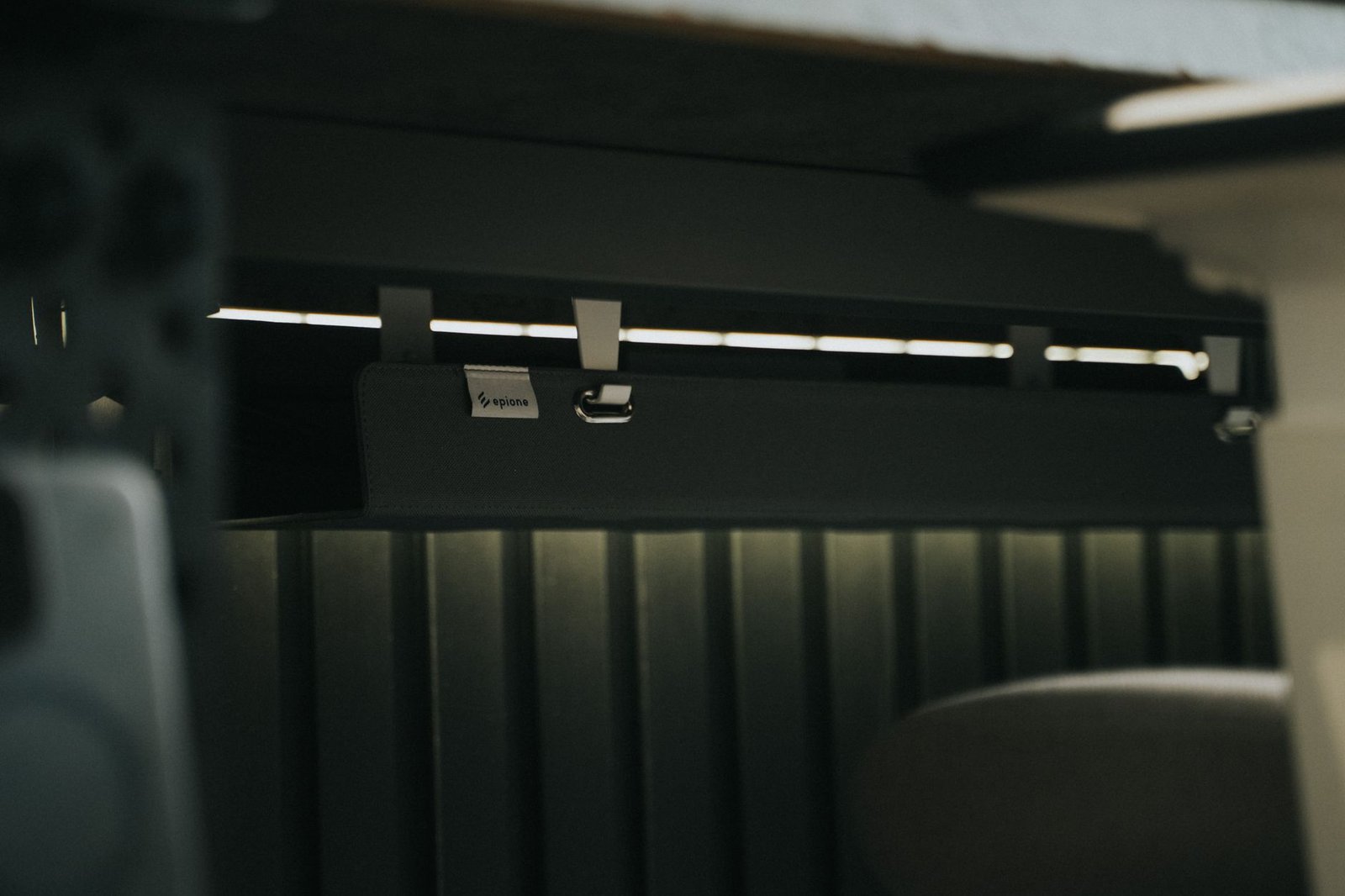
Metal screw-mount hooks are the heavy-duty option. They’re built for larger loads—think bundled power strips, thick charging cables, or arranging an under-desk cable tray (affiliate link) alongside individual cords. Metal hooks don’t flex under tension, so they’re a better long-term investment if you have a complex setup with multiple devices. The trade-off is slightly higher cost and the same permanent installation as plastic screw-mount versions.
Adhesive-backed hooks are ideal when you can’t or don’t want to drill into your desk. They work well on glass, laminate, or rental furniture where screw holes aren’t an option. The downside is lower load capacity and the risk of adhesive failure, especially in warm environments or on textured surfaces. Based on customer reviews, adhesive hooks perform best when holding one or two lightweight cables each—USB-C, ethernet, or phone chargers—rather than bundled power cords. Clean the surface with isopropyl alcohol before installation and let the adhesive cure for 24 hours before loading cables for best results.
Which Hook Type Should You Choose?
If you own your desk and have a typical wood or MDF surface, plastic screw-mount hooks offer the best balance of price and performance for everyday cable routing. If your setup includes heavier gear—multiple monitors, external drives, or a power strip—metal screw-mount hooks provide the extra strength you’ll need. And if you’re renting, using a glass desk, or still experimenting with your cable management layout, adhesive-backed hooks let you test positioning without commitment.
Match the hook type to your desk material, cable weight, and how permanent you need the solution to be. All three styles do the same job—keeping cables off the floor—but the right choice depends on what you’re hanging and where.
Leave a Reply