Heads up: some links in this post are affiliate links, which means we may earn a small commission if you make a purchase — at no extra cost to you.
You bought drawer dividers, installed desk organizers, and set up storage bins—but desk organization isn’t just about the initial setup. Over time, dust accumulates in compartments, adhesive mounts lose their grip, and trays get cluttered with debris. Regular maintenance keeps your storage solutions functional and extends their lifespan.
Here’s a practical checklist for keeping your desk organizers clean, secure, and actually working.
Weekly Quick-Clean Tasks

- Empty and wipe down desktop trays. Remove contents, shake out debris, and wipe surfaces with a damp microfiber cloth. Paper dust and eraser shavings build up surprisingly fast in pen holders and supply trays.
- Check adhesive-mounted organizers for loosening. Test clips, hooks, and wall-mounted accessories by gently tugging. Re-press any that feel less secure before they drop unexpectedly.
- Straighten drawer dividers. Adjustable dividers shift over time as you open and close drawers. Re-square them so compartments stay properly sized and items don’t spill over.
- Remove items that don’t belong. Random receipts, old sticky notes, and packaging materials sneak into organizers. Pull them out before they crowd out what you actually need stored there.

Monthly Deep-Clean Tasks
- Vacuum desk drawer interiors. Use a handheld vacuum or brush attachment to clear out dust, crumbs, and lint that settle beneath dividers. This prevents grit from scratching drawer bottoms and keeps drawer organizers sitting flush.
- Wash removable organizer inserts. Plastic, silicone, and acrylic trays can go in the sink with warm soapy water. Let them air-dry completely before replacing contents to prevent moisture damage to supplies.
- Dust vertical storage and shelves. Wall-mounted organizers, pegboards, and desktop shelf units collect dust on top surfaces and in corners. A microfiber duster or damp cloth keeps them looking clean and prevents buildup.
- Inspect wooden organizers for wear. Check for splintering edges, loose joints, or finish damage. Apply wood conditioner if the surface looks dry, and sand any rough spots that could snag papers or scratch your desk.
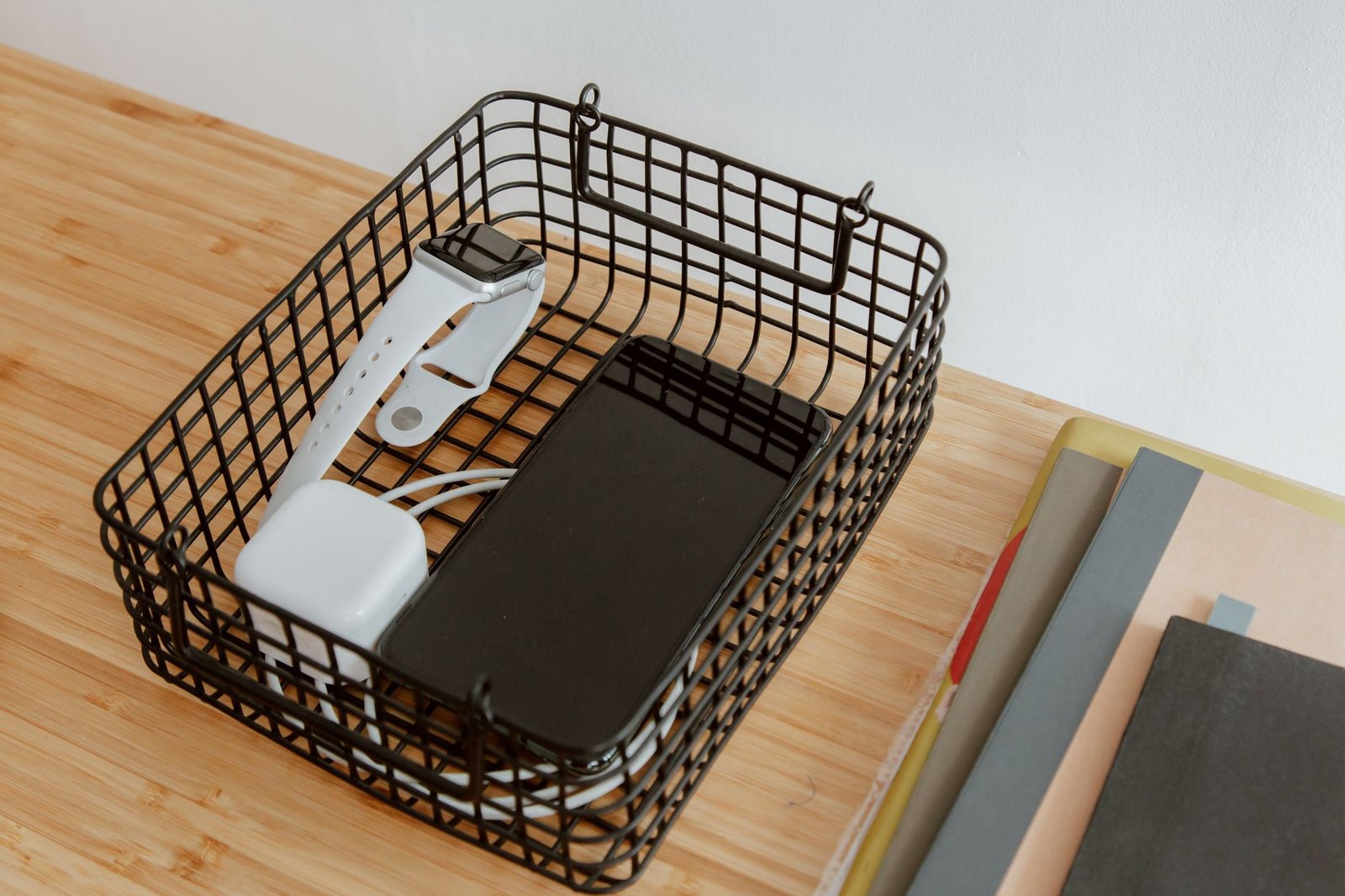
- Clean metal organizers to prevent rust. Wipe metal mesh trays and wire baskets with a dry cloth. If you spot early rust, clean with a vinegar solution and dry thoroughly. Humid climates accelerate corrosion on cheaper metal finishes.
Quarterly Maintenance Tasks
- Re-secure screw-mount organizers. Check under-desk trays, monitor stands, and wall-mounted units for loose screws. Tighten any that have worked their way out from desk vibration or daily use.
- Replace worn adhesive mounts. Command strips and adhesive hooks lose grip over time. If you’ve re-pressed them multiple times, remove the old adhesive completely, clean the surface with rubbing alcohol, and install fresh strips.
- Audit what you’re actually storing. Pull everything out and evaluate whether your current organizer configuration still matches your workflow. Repurpose or relocate organizers that aren’t earning their desk space anymore.
- Check drawer slides and guides. If your under-desk hidden drawer or desktop storage unit has sliding components, test the action. Clean tracks with a dry cloth and apply a tiny amount of silicone lubricant if movement feels sticky.
- Reorganize by category. Over months, items migrate to wrong compartments. Re-sort supplies, cables, and accessories back into their designated spots so your system stays intuitive.
As-Needed Tasks
- Address spills immediately. Coffee, water, or ink on organizers can stain or warp materials. Blot liquid quickly, remove affected items, and let the organizer dry before refilling.
- Replace damaged organizers. Cracked plastic dividers, bent metal trays, or warped acrylic bins don’t organize effectively. Swap them out rather than working around broken storage.
- Upgrade when your needs change. If you’ve switched from paper-heavy work to mostly digital, or added new gear, your original organizers might not fit your current setup. A 7-piece drawer organizer set (affiliate link) can adapt to shifting supply needs with multiple compartment sizes.
Desk organizers work best when you treat them as active tools, not set-and-forget installations. A few minutes of maintenance each week prevents the slow slide back into clutter and keeps your storage solutions doing their job for years.
Leave a Reply