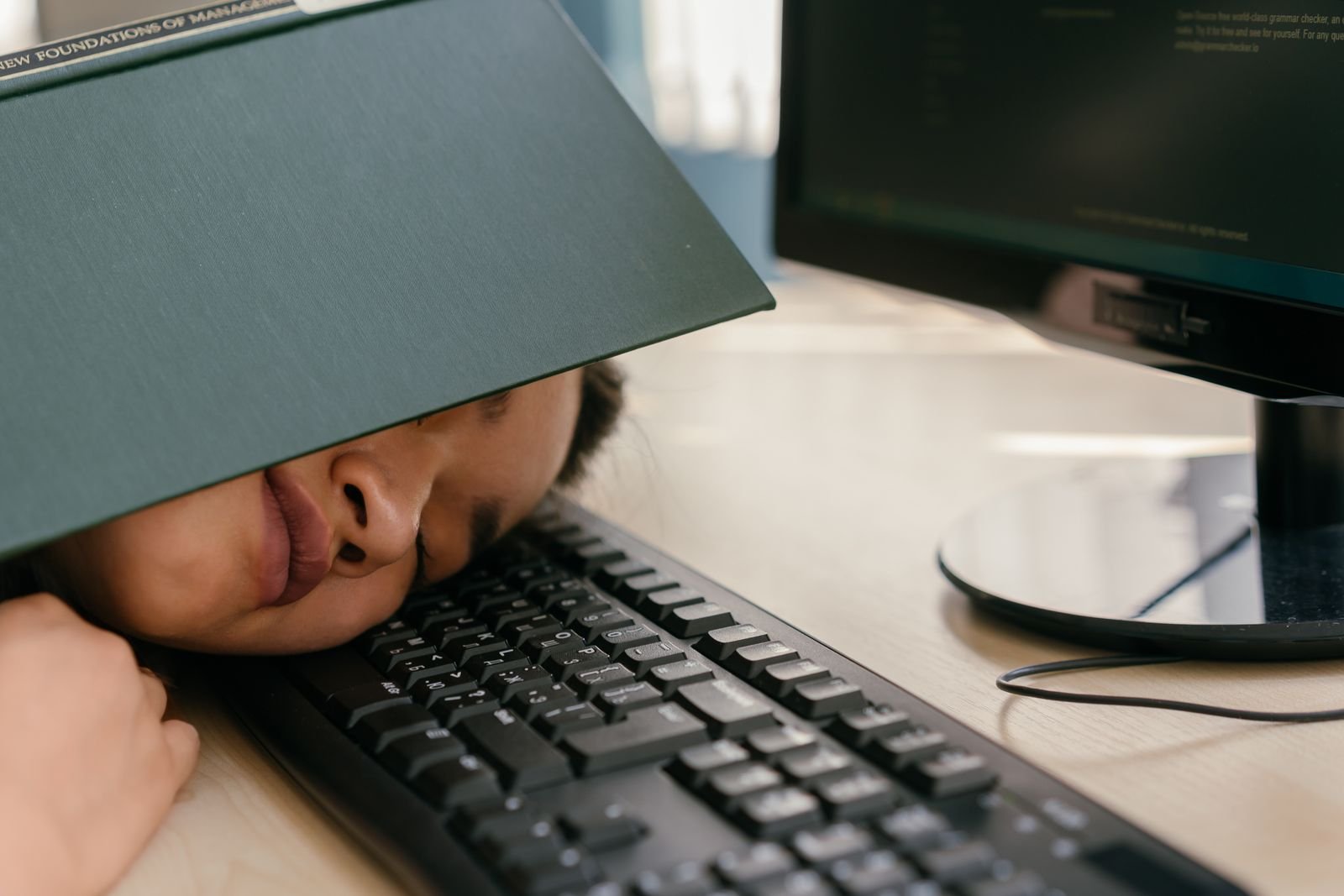
Eye strain at a desk is often blamed entirely on screen time, but lighting is just as often the real cause — or at least a major contributor. Here’s what actually helps, beyond the generic advice to “take breaks.”
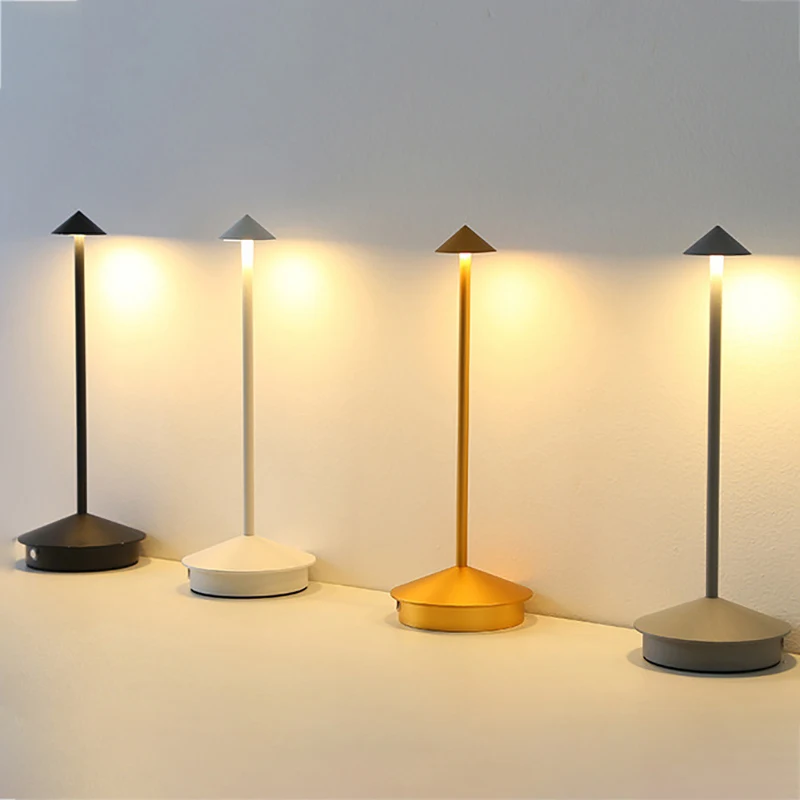
Avoid working under a single overhead light
A single overhead light creates high contrast between a bright ceiling fixture and a comparatively dim desk surface, which forces your eyes to constantly readjust as you look between your screen and the room. Adding a dedicated desk lamp brings the light level around your monitor closer to the light level of the screen itself, reducing that constant readjustment.
Match your screen brightness to the room, not the other way around
A screen that’s much brighter or dimmer than its surroundings makes your eyes work harder to adjust. In a bright room, increase screen brightness to match; in a dim room, lower it. If you work at different times of day, a monitor with automatic brightness or a lamp with adjustable output makes this easier to keep in balance.
Position lighting to avoid screen glare
Any light source that reflects directly off your monitor — including window light — creates glare that forces your eyes to strain around it. Position desk lamps to the side rather than behind your monitor, and angle or curtain windows so they don’t reflect directly into the screen during work hours.

Warmer light in the evening reduces strain from blue light
Cooler, bluer light in the evening can increase eye strain and interfere with winding down later. Switching to warmer light tones in the evening — either with an adjustable lamp or your monitor’s built-in blue light filter — reduces this without requiring you to stop working earlier.
The 20-20-20 rule still matters
Even with ideal lighting, staring at a fixed focal distance for hours tires your eye muscles. Every 20 minutes, looking at something roughly 20 feet away for 20 seconds gives your eyes a genuine break that lighting alone can’t replace.
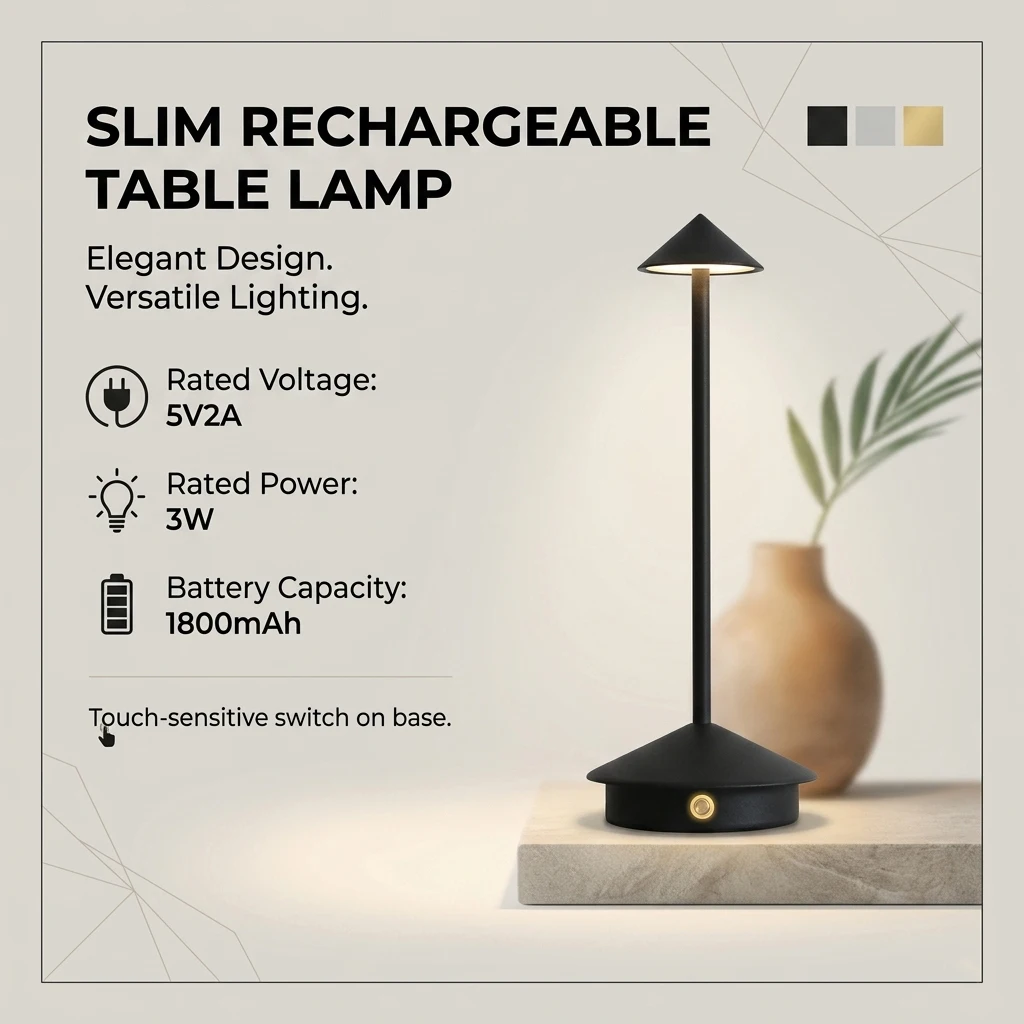
Bottom line
Add a dedicated desk lamp, keep screen brightness matched to the room, and avoid direct glare — those three changes address most lighting-related eye strain. Screen breaks handle the rest.
Leave a Reply